🦂🕷️🪲🐛
🇬🇧 The Cicada: The Ultimate Guide to Summer’s Singing Insect
🇮🇹 Introduzione
Le cicale sono tra gli insetti più riconoscibili dell’estate, grazie al loro canto incessante che accompagna le giornate più calde. Ma dietro quel suono familiare si cela un mondo affascinante fatto di cicli vitali lunghissimi, adattamenti estremi e un ruolo ecologico fondamentale.
🇬🇧 Introduction
Cicadas are among the most recognizable insects of summer, known for their persistent song echoing through the hottest days. But behind that familiar sound lies a fascinating world of long life cycles, extreme adaptations, and vital ecological roles.
🇮🇹 Identikit della cicala: caratteristiche morfologiche
La cicala ha un corpo robusto, ali trasparenti e occhi prominenti. La colorazione è spesso mimetica, con sfumature che variano dal marrone al verde. È lunga dai 2 ai 5 centimetri, a seconda della specie. Le ali vibrano rapidamente per produrre il suono, ma è l’addome maschile ad amplificare la “voce”.
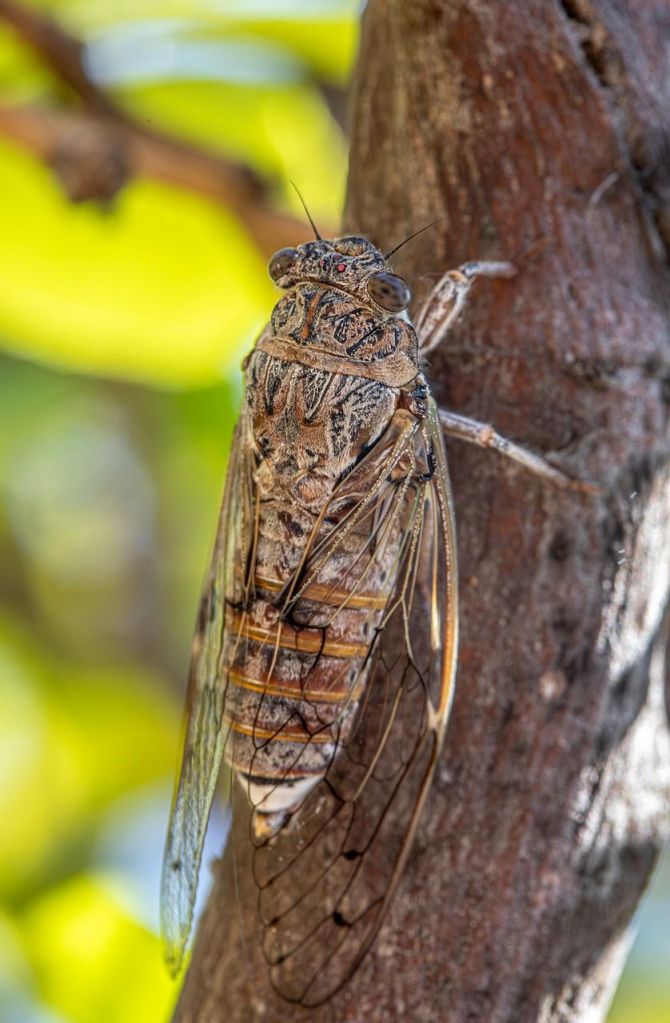
🇬🇧 Cicada Morphology: A Closer Look
Cicadas have a stout body, transparent wings, and prominent eyes. Their coloration is often cryptic, ranging from brown to green hues. Depending on the species, they range from 2 to 5 centimeters in length. While their wings vibrate quickly, it’s the male’s abdominal structure that amplifies the “voice.”
🇮🇹 Il canto delle cicale: come e perché cantano
Solo i maschi cantano, utilizzando una struttura chiamata timballo, situata sull’addome. Il suono serve per attirare le femmine e, in alcune specie, per difendere il territorio. Ogni specie ha un canto caratteristico, utile anche per l’identificazione. Alcuni canti sono così forti da superare i 100 decibel.
🇬🇧 Cicada Song: How and Why They Sing
Only males sing, using a specialized structure called a tymbal, located on the abdomen. The sound attracts females and, in some species, helps defend territory. Each species has a distinct call, which also aids identification. Some calls can reach over 100 decibels in volume.
🇮🇹 Il ciclo vitale: tra i più lunghi del mondo degli insetti
Il ciclo vitale della cicala è sorprendente. Le ninfe vivono nel terreno per anni, alcune fino a 17. Si nutrono della linfa delle radici. Quando escono, si trasformano in adulti in pochi giorni, vivono poche settimane, si accoppiano e muoiono. Un’esplosione di vita che culmina in un’estate di canto.
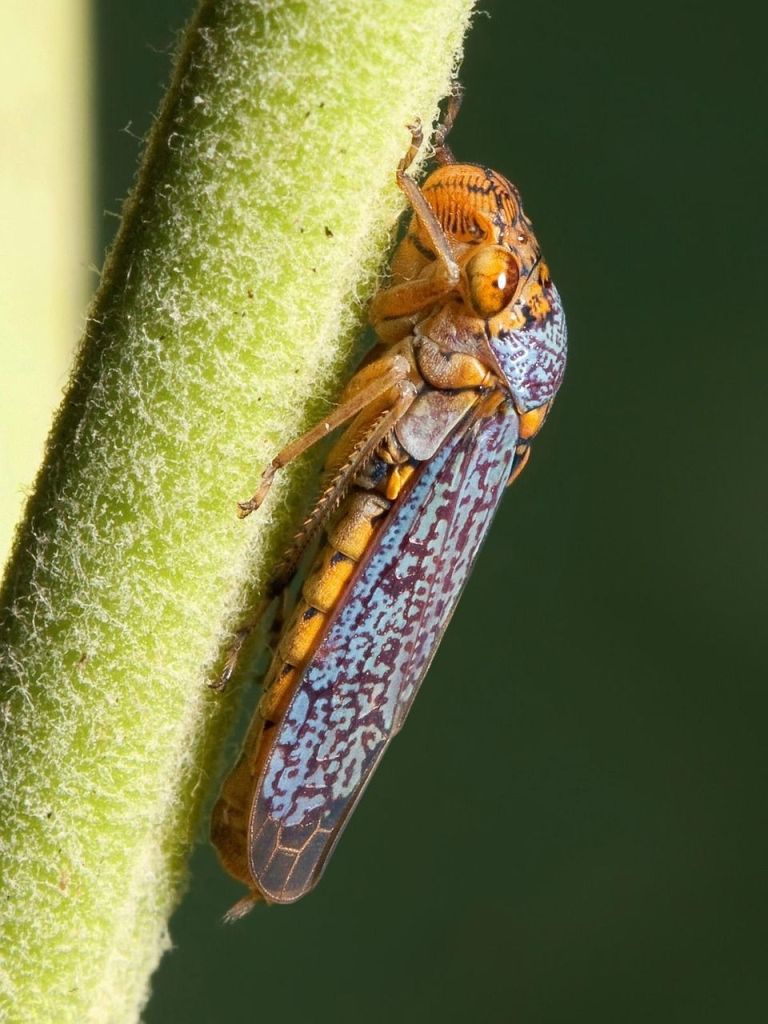
🇬🇧 Life Cycle: One of the Longest Among Insects
The cicada’s life cycle is astonishing. Nymphs live underground for years—some for up to 17—feeding on root sap. When they emerge, they transform into adults within days, live only a few weeks, mate, and die. A burst of life that culminates in a summer of song.
🇮🇹 Habitat e distribuzione: dove si trovano le cicale
Le cicale sono presenti in tutto il mondo, ma prediligono ambienti caldi e soleggiati. In Italia sono comuni nei boschi radi, nei campi, sugli alberi lungo le strade di campagna. Alcune specie sono specializzate in habitat aridi o collinari. Gli Stati Uniti ospitano le famose “periodical cicadas” a ciclo fisso.
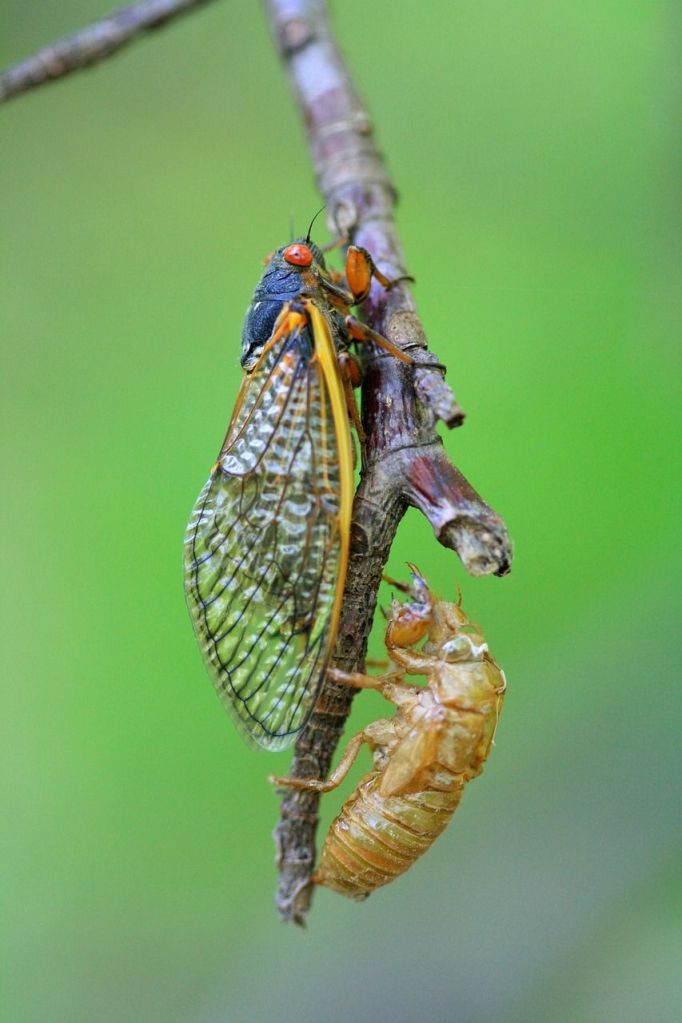
🇬🇧 Habitat and Distribution: Where Cicadas Live
Cicadas are found all over the world but prefer warm, sunny environments. In Italy, they’re common in open woods, fields, and roadside trees. Some species specialize in arid or hilly habitats. The U.S. is home to the famous “periodical cicadas” with fixed emergence cycles.
🇮🇹 Le cicale e l’ecologia: il loro ruolo nell’ambiente
Le cicale sono importanti aeratori del suolo: scavano gallerie che favoriscono il passaggio d’aria e acqua. Quando muoiono, arricchiscono il terreno. Sono anche una fonte di cibo per uccelli, rettili e altri insetti. Non sono dannose per l’uomo né per le piante adulte.
🇬🇧 Cicadas and Ecology: Their Role in the Environment
Cicadas are important soil aerators, digging tunnels that improve air and water flow. When they die, their bodies enrich the soil. They’re also a key food source for birds, reptiles, and other insects. They are not harmful to humans or adult plants.
🇮🇹 Falsi miti e leggende popolari
La cicala è spesso vista come simbolo dell’estate oziosa, anche a causa della favola di Esopo. In realtà, la cicala lavora duramente sotto terra per anni. Alcune culture la considerano simbolo di rinascita e resilienza, grazie alla lunga attesa e al canto esplosivo.
🇬🇧 Myths and Folk Legends
The cicada is often seen as a symbol of lazy summer days, partly due to Aesop’s fable. In truth, the cicada works underground for years. Some cultures view it as a symbol of rebirth and resilience, thanks to its long wait and sudden musical emergence.
🇮🇹 Le cicale in Italia: specie comuni e identificazione
In Italia le specie più comuni sono Lyristes plebejus (la grande cicala europea) e Cicada orni, riconoscibili per il canto e la taglia. La loro presenza si intensifica a giugno e luglio. Si possono distinguere anche osservando le ali, la forma dell’addome e il pattern delle nervature.
🇬🇧 Cicadas in Italy: Common Species and Identification
The most common species in Italy are Lyristes plebejus (the large European cicada) and Cicada orni, recognizable by their song and size. They become more abundant in June and July. Identification is possible by observing wing shape, abdominal form, and vein patterns.
🇮🇹 Conclusione
La cicala è molto più di un suono estivo. È un prodigio evolutivo, un ingegnere del suolo e un simbolo di perseveranza. Conoscerla significa scoprire un lato nascosto della natura che canta solo per chi sa ascoltare.
🇬🇧 Conclusion
The cicada is much more than a summer sound. It’s an evolutionary marvel, a soil engineer, and a symbol of perseverance. To know it is to discover a hidden side of nature—one that sings only to those who listen.
 458socom.org
Rispondi