🇬🇧🇦🇹🇬🇧🇦🇹🇬🇧🇦🇹
🧩 Introduzione | Introduction
IT: Le falene, spesso ingiustamente associate alla rovina dei tessuti o all’ombra della notte, rappresentano una parte straordinaria della biodiversità entomologica. Con oltre 160.000 specie note, queste creature notturne svolgono ruoli fondamentali negli ecosistemi, spesso trascurati rispetto alle loro “cugine” diurne, le farfalle.
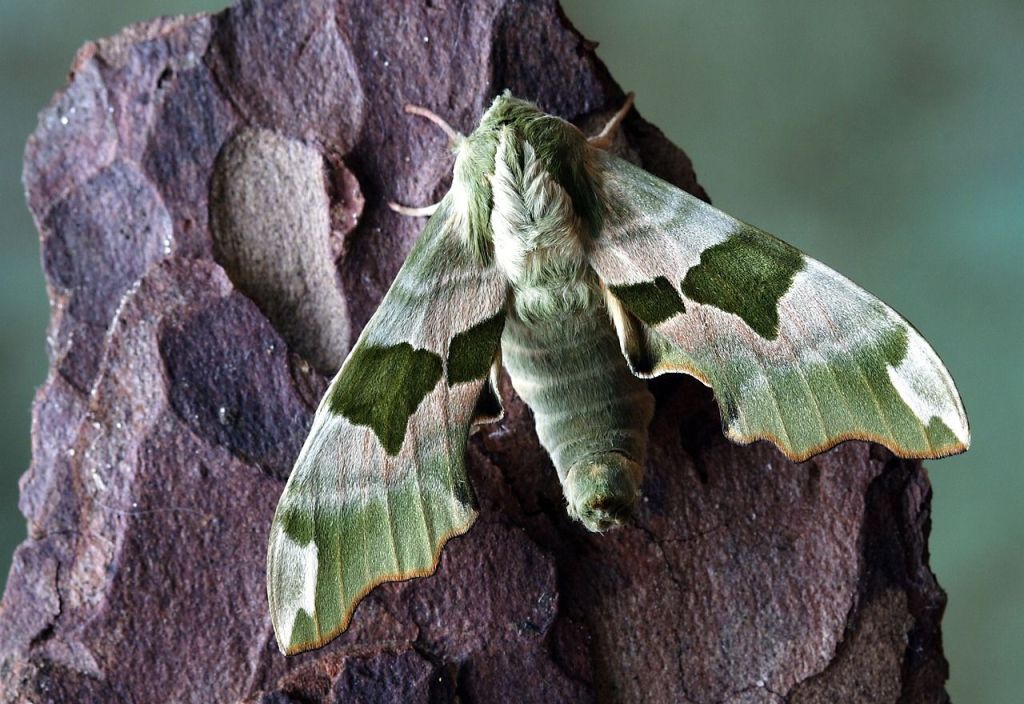
EN: Moths, often unfairly associated with damaged clothes or darkness, are a stunning component of insect biodiversity. With over 160,000 known species, these nocturnal creatures play essential roles in ecosystems—frequently overlooked when compared to their diurnal cousins, butterflies.
🧬 Cos’è una falena? | What Is a Moth?
IT: Le falene sono insetti dell’ordine dei Lepidotteri, come le farfalle. Tuttavia, si distinguono per abitudini prevalentemente notturne, antenne non clavate (spesso piumate nei maschi) e una posizione riposante con ali distese o a tetto. La loro morfologia è estremamente varia, adattata a mille nicchie ecologiche.
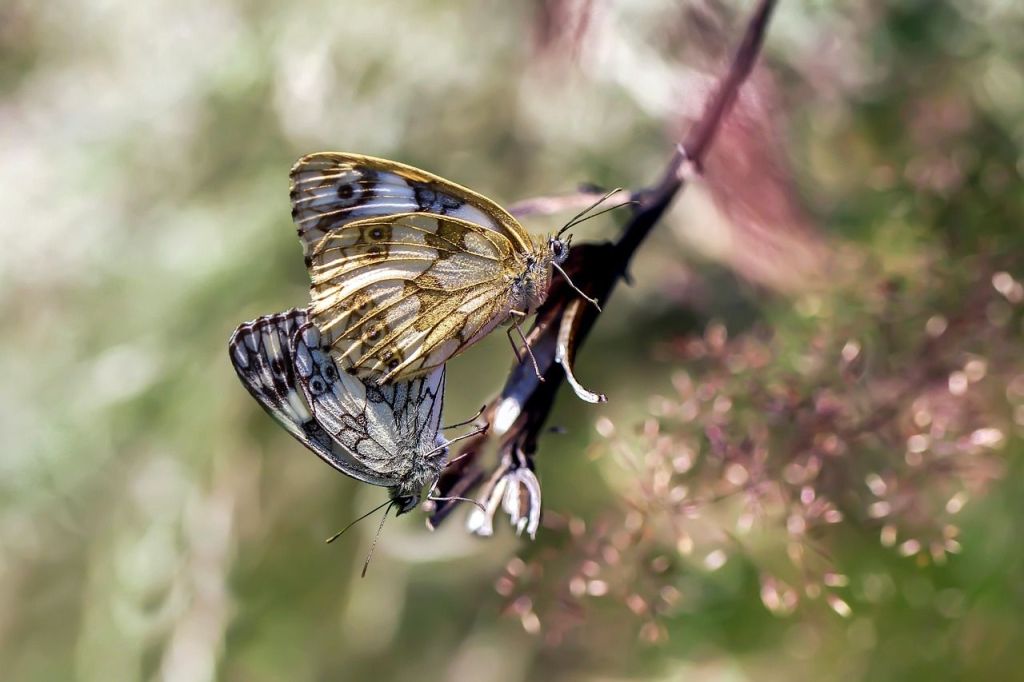
EN: Moths belong to the order Lepidoptera, just like butterflies. However, they differ in being mostly nocturnal, having non-clubbed antennae (often feathery in males), and resting with wings spread flat or tented. Their morphology is highly diverse, adapted to countless ecological niches.
🌱 Ciclo di vita | Life Cycle
IT: Il ciclo vitale di una falena include quattro stadi: uovo, larva (bruco), crisalide e adulto. Le larve sono spesso grandi divoratrici di foglie o materiali vegetali, mentre gli adulti possono nutrirsi di nettare, linfa o nulla (in alcune specie).
EN: A moth’s life cycle consists of four stages: egg, larva (caterpillar), pupa, and adult. Larvae are often voracious leaf or plant material eaters, while adults may feed on nectar, sap, or nothing at all, depending on the species.
🌃 Attività notturna e attrazione per la luce | Nocturnal Habits and Light Attraction
IT: Le falene sono famose per la loro attrazione verso la luce artificiale, fenomeno noto come “fototassi positiva”. Questa risposta comportamentale può disorientarle e renderle vulnerabili ai predatori o all’impatto umano.
EN: Moths are known for their attraction to artificial light, a behavior called “positive phototaxis.” This response can disorient them and increase their vulnerability to predators and human-made dangers.
🌸 Impollinatori dimenticati | Forgotten Pollinators
IT: Molte falene adulte sono impollinatori attivi, in particolare delle piante che fioriscono di notte. Alcune specie, come quelle della famiglia Sphingidae, sono fondamentali per la sopravvivenza di determinate piante, grazie alla loro lunga spiritromba.
EN: Many adult moths are active pollinators, especially of night-blooming plants. Some species, like those from the Sphingidae family, are vital for the survival of certain plants due to their long proboscis.
🛡️ Adattamenti difensivi | Defensive Adaptations
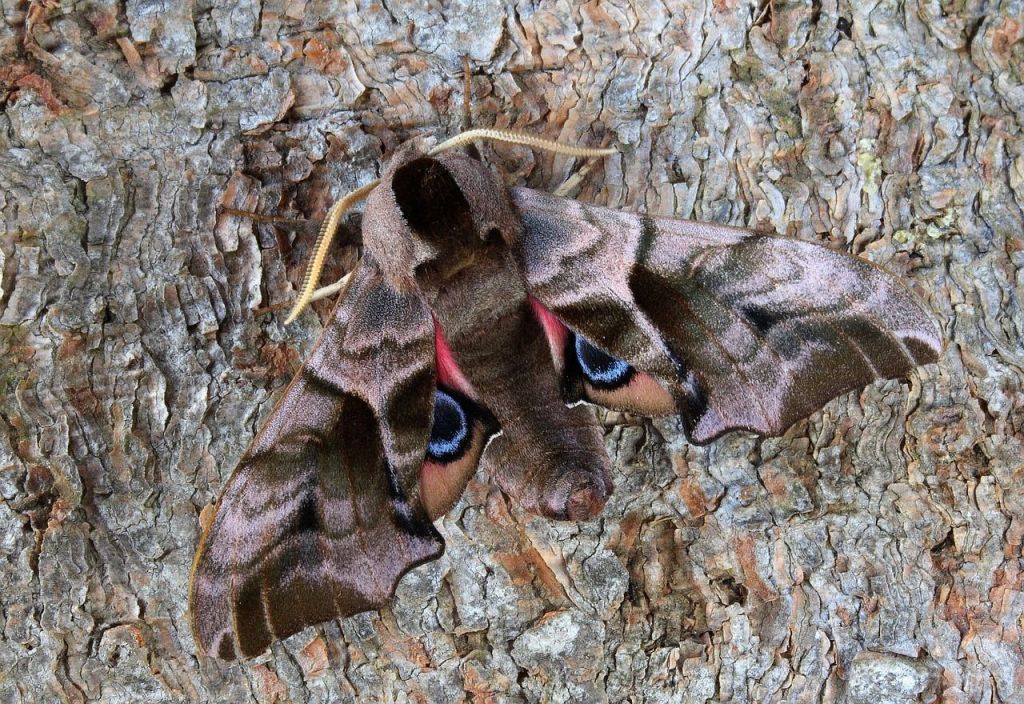
IT: Le falene hanno sviluppato incredibili strategie per evitare i predatori: ali mimetiche, occhi finti, posture di minaccia, rilascio di feromoni o sostanze tossiche. Alcune larve simulano serpenti, altre emettono suoni ultrasuoni per confondere i pipistrelli.
EN: Moths have developed incredible defenses: camouflage wings, false eyespots, threatening postures, pheromone release, and even toxic substances. Some caterpillars mimic snakes, while others emit ultrasonic clicks to confuse bats.
🧼 Falsi miti sulle falene | Common Myths About Moths
IT: Non tutte le falene mangiano i vestiti: solo poche specie di larve lo fanno. Non tutte sono brutte o grigie: alcune sono tra gli insetti più colorati al mondo. E non sono affatto “farfalle incompiute”, ma creature evolute a sé stanti.
EN: Not all moths eat clothes—only a few larval species do. They’re not all dull or gray—some are among the most colorful insects in the world. And they’re not “unfinished butterflies,” but fully evolved creatures in their own right.
🌍 Falene e ambiente urbano | Moths and the Urban Environment
IT: Le falene soffrono a causa dell’inquinamento luminoso, pesticidi, perdita di habitat. Nei giardini urbani, creare zone buie, coltivare piante autoctone e ridurre i trattamenti chimici può aiutarle a prosperare.

EN: Moths are affected by light pollution, pesticides, and habitat loss. In urban gardens, creating dark zones, planting native species, and reducing chemical treatments can help moth populations thrive.
🔍 Come osservare le falene | How to Observe Moths
IT: Basta una luce UV o una semplice lenzuola bianche per attrarre falene. La notte è il momento ideale. Osservarle è utile per monitorare la biodiversità locale, oltre che appassionante per adulti e bambini.
EN: A UV light or a white sheet is often enough to attract moths. Nighttime is ideal. Observing them helps monitor local biodiversity and can be an exciting activity for adults and children alike.
🧠 Curiosità entomologiche | Entomological Curiosities
IT: Alcune falene non hanno apparato boccale e vivono solo per riprodursi. Altre riescono a migrare per migliaia di chilometri. Alcune hanno sensi acutissimi, altre comunicano chimicamente attraverso feromoni.
EN: Some moths lack mouthparts and live only to reproduce. Others can migrate thousands of kilometers. Some have extremely sharp senses, while others communicate via chemical pheromones.
✅ Conclusione | Conclusion
IT: Le falene non sono solo ombre notturne, ma protagoniste silenziose della natura. Conoscerle significa proteggere l’equilibrio degli ecosistemi e arricchire il nostro sguardo sul mondo. Un giardino con le falene è un giardino vivo.
EN: Moths are not just creatures of the night—they’re silent actors in the drama of nature. Learning about them helps protect ecosystem balance and enriches our view of the world. A garden with moths is a living garden.
 458socom.org
Rispondi