🦋 The ultimate guide to the geranium moth
🧠 Identificazione della farfallina del geranio
🧠 Identifying the geranium moth
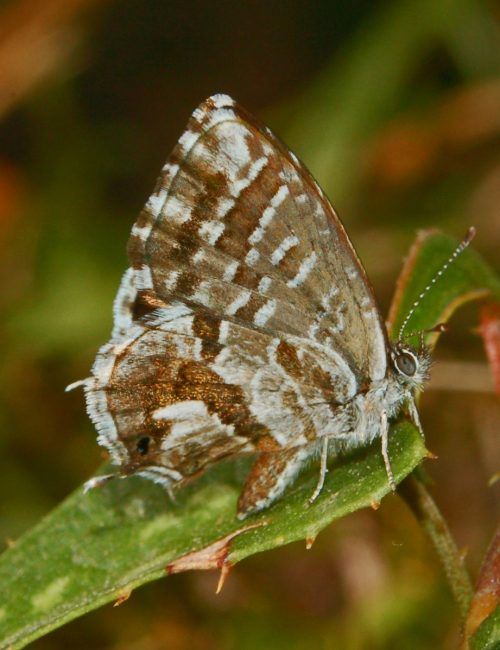
La farfallina del geranio (Cacyreus marshalli) è una farfalla di piccole dimensioni, lunga circa 1,5–2 cm, con ali bruno-grigiastre e bordi frastagliati. Le ali posteriori mostrano una macchia bianca ben visibile.
La vera minaccia, però, è rappresentata dalle larve, verdi e ben mimetizzate, che scavano gallerie nei fusti e distruggono i boccioli dei gerani.
The geranium moth (Cacyreus marshalli) is a small butterfly, about 1.5–2 cm long, with brownish-grey wings and fringed edges. The hindwings have a distinct white patch.
However, the real damage is caused by the larvae, which are green and well-camouflaged. They tunnel into stems and destroy flower buds from the inside.
🌍 Origine e diffusione
🌍 Origin and spread
Originaria del Sudafrica, è stata introdotta accidentalmente in Europa alla fine degli anni ’90. Si è diffusa rapidamente in tutta l’area mediterranea grazie al commercio di gerani.
Originally from South Africa, it was accidentally introduced to Europe in the late 1990s. It spread quickly throughout the Mediterranean due to the intensive trade in geraniums.
🔬 Ciclo biologico
🔬 Life cycle
- Uovo: deposto sulle foglie o nelle ascelle dei fusti.
- Larva: si nutre internamente del geranio per 2–3 settimane.
- Pupa: si trasforma all’interno del fusto o tra le foglie arrotolate.
- Adulto: farfalla attiva nelle ore calde, pronta a deporre nuove uova.
- Egg: laid on leaves or stem joints.
- Larva: feeds inside the plant for 2–3 weeks.
- Pupa: develops inside the stem or among curled leaves.
- Adult: a small butterfly active in warm hours, ready to lay eggs again.
🔍 Come riconoscere un’infestazione
🔍 How to recognize an infestation
- Boccioli che non si aprono o si seccano.
- Fori nei fusti, a volte con fuoriuscita di materiale vegetale.
- Farfalle marroni che volano attorno ai gerani.
- Foglie ingiallite o cadenti.
- Unopened or dried flower buds
- Small holes in stems, sometimes with plant debris
- Brown moths flying near geraniums
- Yellowing or falling leaves
💣 Danni causati
💣 Damage caused
La farfallina del geranio può uccidere intere piante in poche settimane. Le larve scavano gallerie nei tessuti interni, provocando marciumi e bloccando la fioritura.
The moth can kill entire plants in just a few weeks. Larvae tunnel into plant tissues, causing rot and blocking flowering entirely.
🛡️ Prevenzione efficace
🛡️ Effective prevention
- Evita di acquistare piante infestate.
- Rimuovi i fiori secchi regolarmente.
- Controlla spesso le foglie e i fusti.
- Limita i ristagni idrici che favoriscono lo sviluppo di muffe.
- Avoid buying infested plants
- Regularly remove dried flowers
- Frequently inspect leaves and stems
- Prevent excess moisture and mold
🧪 Rimedi naturali
🧪 Natural remedies
- Infuso d’aglio o di peperoncino: repellente.
- Neem: olio vegetale che agisce come insetticida sistemico.
- Decotto di tanaceto: scoraggia la deposizione delle uova.
- Introduzione di predatori naturali come le coccinelle (contro le uova) o le forbicine (contro le larve).
- Garlic or chili spray: acts as repellent
- Neem oil: systemic plant-safe insecticide
- Tansy decoction: discourages egg-laying
- Natural predators like ladybugs (egg control) or earwigs (larvae control)
💊 Trattamenti biologici e chimici
💊 Organic and chemical treatments
- Bacillus thuringiensis var. kurstaki (Bt): efficace sulle larve giovani.
- Spinosad: principio attivo naturale, ammesso in agricoltura biologica.
- In casi gravi: piretroidi o altri insetticidi sistemici, con attenzione all’ambiente e agli insetti utili.
- Bacillus thuringiensis var. kurstaki (Bt): effective on young larvae
- Spinosad: natural active ingredient used in organic farming
- In severe cases: pyrethroids or systemic insecticides, with caution for the environment and beneficial insects
🔁 Recupero delle piante infestate
🔁 Recovering infested plants
- Potatura drastica delle parti danneggiate.
- Disinfezione delle ferite con propoli o polvere di cannella.
- Trattamenti ripetuti ogni 7 giorni fino alla completa scomparsa dei sintomi.
- Heavy pruning of damaged parts
- Disinfect wounds with propolis or cinnamon powder
- Repeat treatments every 7 days until symptoms disappear
🧩 Convivenza o eradicazione?
🧩 Coexistence or eradication?
Nelle zone molto infestate, può essere difficile eliminare del tutto la farfallina. In questi casi, l’obiettivo diventa contenere la popolazione, proteggendo le piante più sensibili e lasciando alcune piante “esca” per monitoraggio.
In heavily infested areas, complete eradication is difficult. The goal becomes population control, protecting the most vulnerable plants and using “decoy” plants to monitor activity.
🏁 Conclusioni pratiche
🏁 Practical conclusions
- La lotta contro Cacyreus marshalli richiede costanza e osservazione.
- L’approccio più efficace è combinare prevenzione, trattamenti naturali e interventi mirati.
- I gerani possono sopravvivere e rifiorire anche dopo gravi infestazioni, se trattati correttamente.
- Fighting Cacyreus marshalli requires persistence and monitoring
- The most effective approach is a mix of prevention, natural remedies, and targeted actions
- Geraniums can recover and bloom again even after serious infestations if treated well
 458socom.org
Rispondi