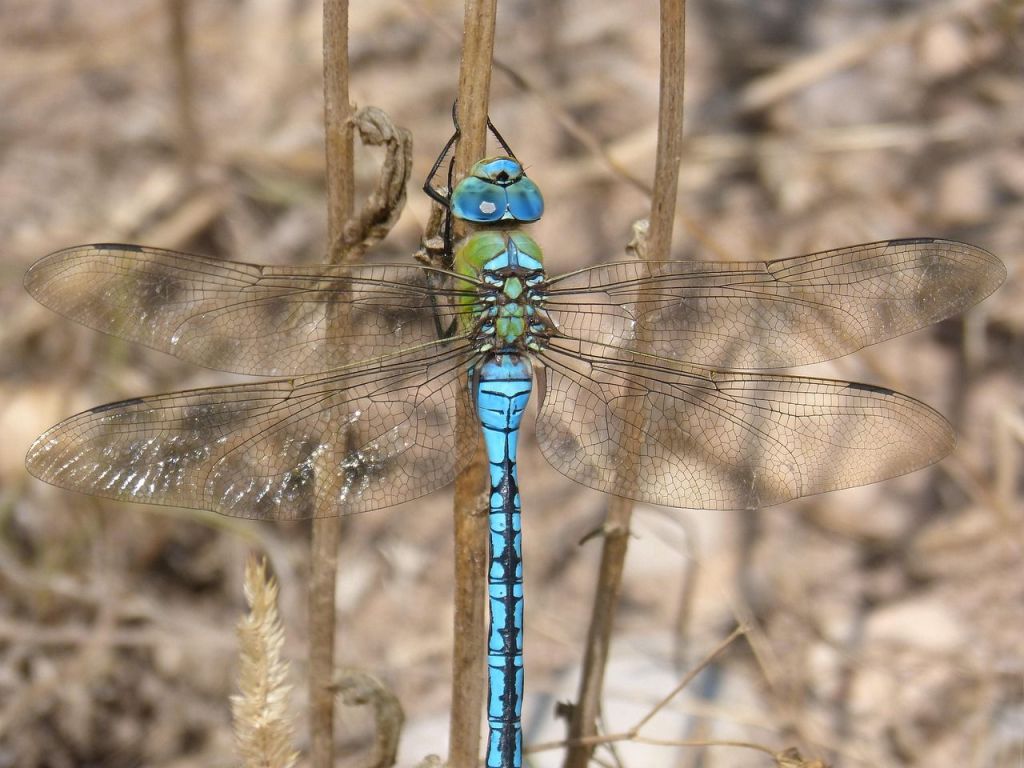
Aeshna sp.: Winged Giants Between Sky and Water
Introduzione al genere Aeshna
Introduction to the Genus Aeshna
Il genere Aeshna comprende alcune tra le libellule più grandi e spettacolari presenti in Europa, Asia e Nord America. Appartenente alla famiglia Aeshnidae, questo gruppo è noto per il suo volo potente, il comportamento territoriale marcato e la presenza prolungata nei mesi caldi.
The genus Aeshna includes some of the largest and most spectacular dragonflies found in Europe, Asia, and North America. Belonging to the family Aeshnidae, this group is known for its powerful flight, highly territorial behavior, and prolonged presence during warm months.
Morfologia e riconoscimento
Morphology and Identification
Le Aeshna si distinguono per il corpo slanciato, lungo tra i 7 e i 10 centimetri, e per le ali trasparenti, talvolta con lievi macchie. Il torace e l’addome presentano disegni caratteristici a bande azzurre, verdi o giallastre su fondo scuro. Gli occhi composti occupano gran parte della testa e si toccano al centro, caratteristica comune nelle Aeshnidae.
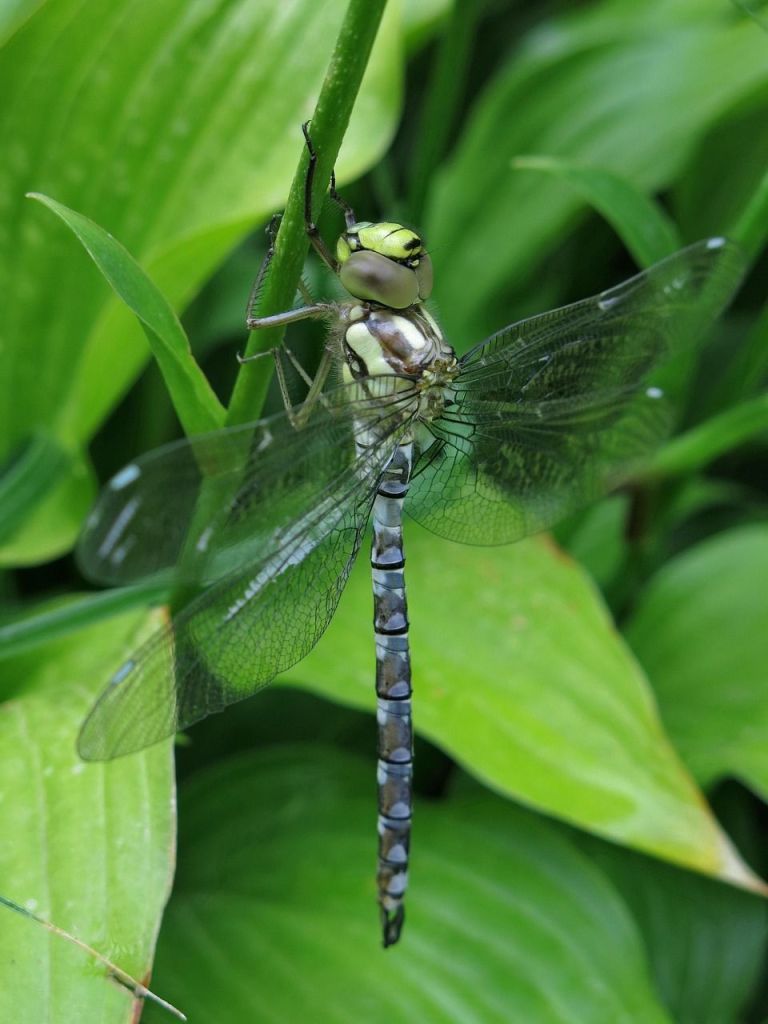
Aeshna species are recognized by their elongated bodies, measuring between 7 and 10 centimeters, and their transparent wings, sometimes marked with subtle spots. The thorax and abdomen display distinctive blue, green, or yellow bands on a dark background. Their compound eyes cover most of the head and meet in the middle, a common trait among Aeshnidae.
Distribuzione e habitat
Distribution and Habitat
Le Aeshna popolano una grande varietà di ambienti acquatici, tra cui stagni, laghi, canali e torbiere. Sono particolarmente comuni nei paesi temperati, ma alcune specie si spingono anche in regioni più fredde o subtropicali. Prediligono acque lente o stagnanti, ben vegetate, essenziali per la deposizione delle uova e la crescita delle ninfe.
Aeshna dragonflies inhabit a wide variety of aquatic environments, including ponds, lakes, canals, and bogs. They are especially common in temperate countries, although some species reach colder or subtropical areas. They prefer still or slow-moving waters with rich vegetation, crucial for egg-laying and nymph development.
Ciclo vitale: dalla ninfa al predatore aereo
Life Cycle: From Nymph to Aerial Predator
Il ciclo vitale delle Aeshna è tipicamente biennale o triennale. Le femmine depongono le uova sulla vegetazione sommersa o in substrati umidi vicino all’acqua. Le ninfe, carnivore, vivono tra piante acquatiche, nutrendosi di piccoli invertebrati e persino di girini o avannotti. Dopo numerose mute, emergono dalla superficie e subiscono la trasformazione in adulti alati, un momento spettacolare chiamato emersione.
The life cycle of Aeshna species typically lasts two to three years. Females lay eggs on submerged vegetation or moist substrates near water. The nymphs, which are carnivorous, live among aquatic plants, feeding on small invertebrates and even tadpoles or fry. After several molts, they emerge from the water to undergo their dramatic metamorphosis into winged adults, known as emergence.
Comportamento territoriale e difesa
Territorial Behavior and Defense
I maschi di Aeshna sono altamente territoriali. Difendono con decisione tratti di riva o corsi d’acqua, eseguendo voli di pattugliamento e inseguendo rivali o altri insetti. Le femmine, più elusive, compaiono per accoppiarsi e deporre. Il maschio può rimanere agganciato alla femmina durante la deposizione per evitare accoppiamenti con altri maschi.
Aeshna males are highly territorial. They defend stretches of shoreline or water by performing patrol flights and chasing away rivals or other insects. Females are more elusive, appearing mainly to mate and lay eggs. Males often remain clasped to the female during egg-laying to prevent other males from mating.
Capacità di volo eccezionali
Exceptional Flight Capabilities
Le Aeshna sono considerate maestre del volo tra gli insetti. Sono in grado di stazionare in volo, cambiare direzione bruscamente, volare all’indietro e raggiungere velocità notevoli. Questo le rende predatori aerei letali e difficili da catturare, persino per gli uccelli insettivori.
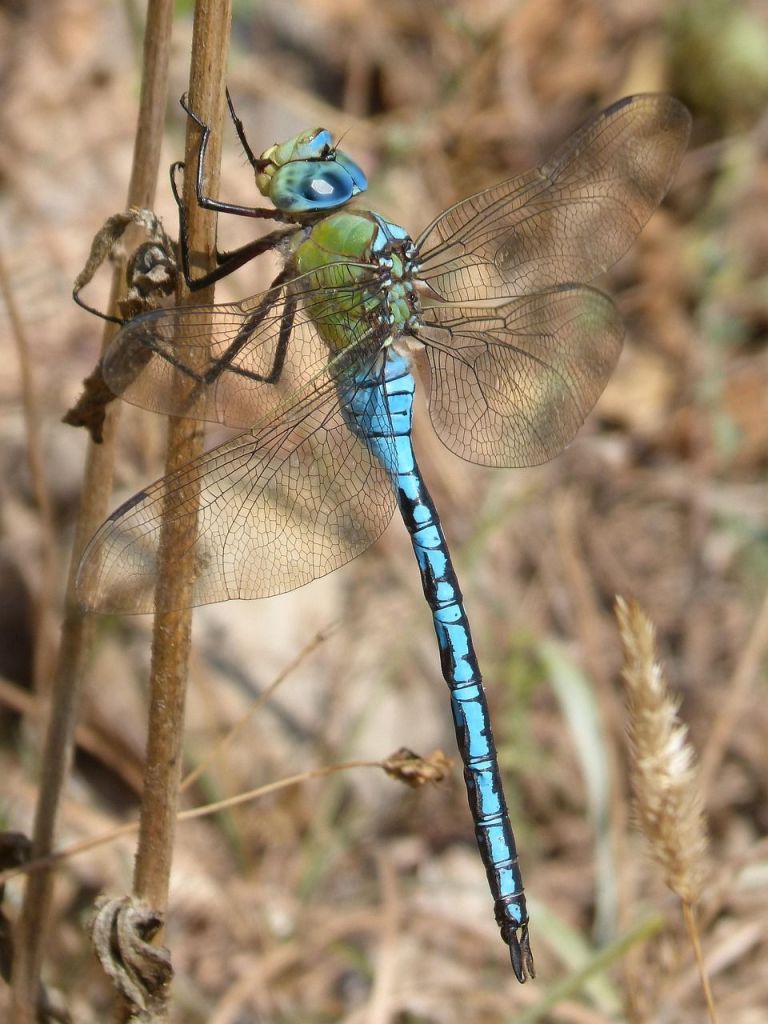
Aeshna dragonflies are regarded as masters of flight among insects. They can hover, change direction sharply, fly backward, and reach impressive speeds. This makes them deadly aerial predators and difficult to catch, even for insectivorous birds.
Dieta e ruolo ecologico
Diet and Ecological Role
Le Aeshna adulte sono predatori attivi. Cacciano in volo zanzare, mosche, farfalle, tafani e altri piccoli insetti. La loro presenza è fondamentale per il controllo biologico delle zanzare e di altri ditteri. Le ninfe, a loro volta, controllano la fauna acquatica, contribuendo all’equilibrio ecologico degli ambienti d’acqua dolce.
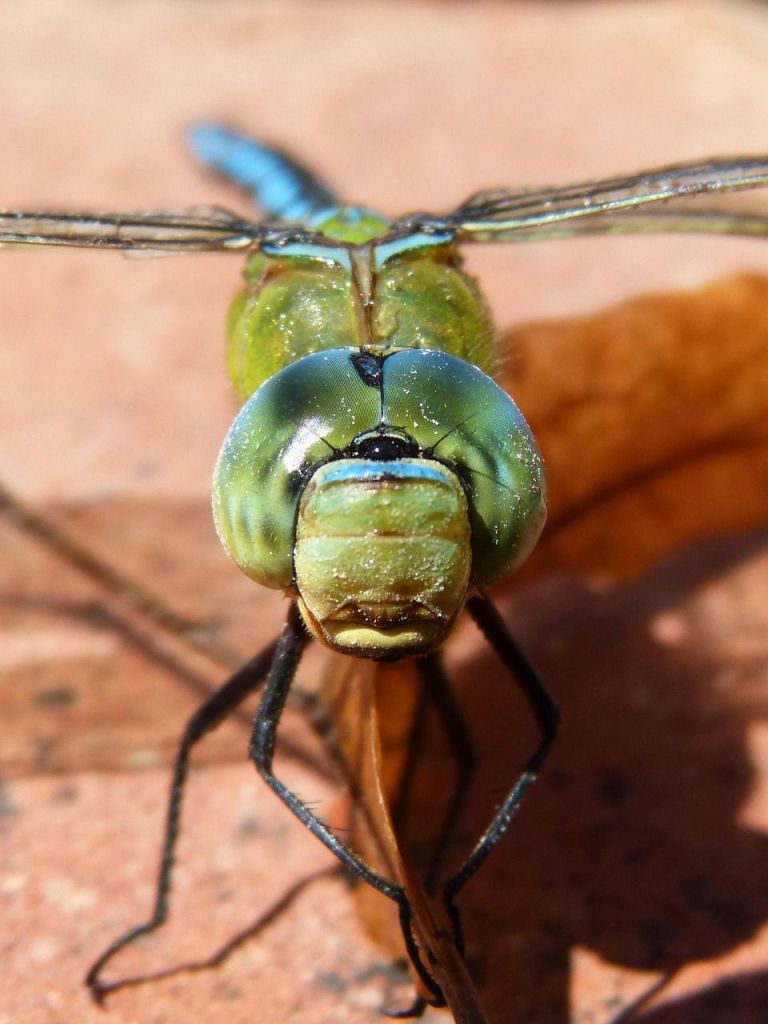
Adult Aeshna dragonflies are active predators, catching mosquitoes, flies, butterflies, horseflies, and other small insects mid-air. Their presence is essential for biological mosquito control and managing fly populations. Nymphs, in turn, regulate aquatic fauna, contributing to the ecological balance of freshwater habitats.
Specie comuni in Italia e in Europa
Common Species in Italy and Europe
Tra le specie più comuni troviamo:
- Aeshna cyanea (Azzurrina maggiore): diffusa in boschi umidi e giardini.
- Aeshna mixta (Azzurrina autunnale): tra le ultime a volare in stagione.
- Aeshna grandis (Azzurrina marrone): più grande e visibile in ambienti forestali.
Among the most common species are:
- Aeshna cyanea (Southern Hawker): found in damp woods and gardens.
- Aeshna mixta (Migrant Hawker): one of the last species flying in the season.
- Aeshna grandis (Brown Hawker): larger and visible in forested environments.
Periodo di attività e osservazione
Active Period and Observation
Le Aeshna sono osservabili da giugno a ottobre, con picchi a fine estate. Preferiscono le prime ore del mattino o il tardo pomeriggio per cacciare. Sono tra le ultime libellule a scomparire in autunno. Per l’osservatore naturalista rappresentano un soggetto affascinante per fotografia, disegno naturalistico o semplici passeggiate naturalistiche.
Aeshna dragonflies can be seen from June to October, peaking in late summer. They prefer to hunt during the early morning or late afternoon. They are among the last dragonflies to disappear in autumn. For nature enthusiasts, they are fascinating subjects for photography, naturalist drawing, or simple nature walks.
Importanza per la biodiversità
Importance for Biodiversity
Le Aeshna sono indicatori biologici affidabili. La loro presenza segnala acque pulite, ricche di vegetazione e ben ossigenate. La loro scomparsa può indicare degrado ambientale o inquinamento. Per questo motivo, molte specie di Aeshnidae sono incluse nei monitoraggi ambientali e nei progetti di conservazione.
Aeshna dragonflies are reliable bioindicators. Their presence signals clean, well-vegetated, and oxygen-rich water. Their disappearance may indicate environmental degradation or pollution. For this reason, many Aeshnidae species are included in environmental monitoring and conservation projects.
Curiosità entomologiche
Entomological Curiosities
- Le Aeshna hanno un sistema visivo molto sofisticato, con fino a 30.000 ommatidi per occhio.
- Sono in grado di prevedere la traiettoria delle prede in volo, comportamento noto come intercettazione predatoria.
- Il loro nome potrebbe derivare dal greco antico aichmé (punta o lancia), in riferimento alla forma affusolata del corpo.
- Aeshna dragonflies possess a highly sophisticated visual system, with up to 30,000 ommatidia per eye.
- They can predict the trajectory of flying prey, a behavior known as interceptive predation.
- Their name may derive from the ancient Greek aichmé (point or spear), referring to the body’s streamlined shape.
Aeshna e gestione del verde
Aeshna and Green Space Management
Per i manutentori del verde e gli operatori ambientali, le Aeshna rappresentano indicatori ecologici positivi. La loro presenza suggerisce ambienti ben gestiti, con biodiversità elevata e assenza di pesticidi tossici. Promuovere la creazione di zone umide, laghetti ornamentali e canneti favorisce la loro presenza e quella di molte altre specie benefiche.
For green space managers and environmental workers, Aeshna dragonflies are positive ecological indicators. Their presence suggests well-managed areas with high biodiversity and low pesticide use. Promoting the creation of wetlands, ornamental ponds, and reedbeds supports their presence along with many other beneficial species.
Conclusione: sentinelle alate degli ecosistemi
Conclusion: Winged Sentinels of Ecosystems
Le Aeshna sono molto più di semplici insetti volanti: sono predatori raffinati, indicatori ecologici, architetti della biodiversità. Osservarle significa entrare in contatto con equilibri complessi e antichi, in cui ogni battito d’ali racconta una storia fatta di acqua, luce e vita.
Aeshna dragonflies are far more than flying insects: they are refined predators, ecological indicators, architects of biodiversity. Observing them means connecting with complex, ancient balances, where each wingbeat tells a story of water, light, and life.
 458socom.org
Rispondi