
🦗 Earwigs: Small Insects with a Big Reputation
Introduzione
Introduction
Le forbicine, note anche come Dermatteri, sono insetti riconoscibili per le loro caratteristiche pinze (cerci) all’estremità dell’addome. Comunemente associate a leggende metropolitane, come quella secondo cui entrerebbero nelle orecchie delle persone mentre dormono, le forbicine sono in realtà insetti innocui per l’uomo e svolgono un ruolo ecologico importante.
Earwigs, also known as Dermaptera, are insects easily recognized by the forceps-like pincers (cerci) at the tip of their abdomen. Often surrounded by urban legends—such as the myth that they crawl into people’s ears at night—they are in fact harmless to humans and play an important role in ecosystems.
Morfologia e caratteristiche distintive
Morphology and Distinctive Features
Le forbicine sono generalmente lunghe da 1 a 2 cm, di colore marrone scuro o rossastro, con un corpo appiattito e allungato. La caratteristica più evidente è rappresentata dai cerci, che sono a forma di tenaglia. Nei maschi sono più curvati e robusti, mentre nelle femmine sono più dritti e sottili.

Possiedono ali, ma volano raramente. Le ali anteriori sono corte e dure, mentre quelle posteriori sono membranose e ripiegate a ventaglio. Il loro volo, seppur possibile, è poco praticato nella vita quotidiana.
Earwigs are typically 1 to 2 cm long, dark brown or reddish in color, with a flattened and elongated body. The most distinctive feature is the cerci, shaped like pincers. Males have more curved and robust cerci, while females have straighter, thinner ones.
They do have wings, but they rarely fly. The front wings are short and leathery, while the hind wings are membranous and fan-shaped. Despite being capable of flight, they use it infrequently.
Comportamento e abitudini
Behavior and Habits
Le forbicine sono insetti notturni e lucifughi: evitano la luce e trascorrono il giorno nascoste sotto pietre, cortecce o fogliame. Di notte escono alla ricerca di cibo. Sono onnivore: si nutrono di vegetali in decomposizione, piccoli insetti, fiori, frutti, alghe e muschi.
Sono anche predatrici opportunistiche, capaci di cacciare piccoli afidi o larve di lepidotteri. Tuttavia, in ambienti urbani o nei giardini, possono causare danni a fiori teneri, ortaggi e frutta, diventando occasionalmente fitofaghe dannose.

Earwigs are nocturnal and photophobic, avoiding light and hiding under stones, bark, or foliage during the day. At night, they emerge in search of food. They are omnivores, feeding on decaying plant material, small insects, flowers, fruits, algae, and mosses.
They are also opportunistic predators, capable of hunting aphids or small caterpillars. However, in urban environments or gardens, they may damage tender flowers, vegetables, and fruits, occasionally becoming harmful plant feeders.
Ciclo di vita e riproduzione
Life Cycle and Reproduction
Una delle caratteristiche più affascinanti delle forbicine è la cura materna. Dopo l’accoppiamento, la femmina depone le uova in nidi sotterranei e le protegge attivamente da predatori e funghi. Pulisce le uova regolarmente con la bocca e resta con i piccoli (neanidi) dopo la schiusa, nutrendoli nei primi giorni.
Il ciclo vitale passa attraverso varie mute, durante le quali le neanidi somigliano sempre più agli adulti. La maturità sessuale viene raggiunta in 1-2 mesi, e la vita media può arrivare a un anno.
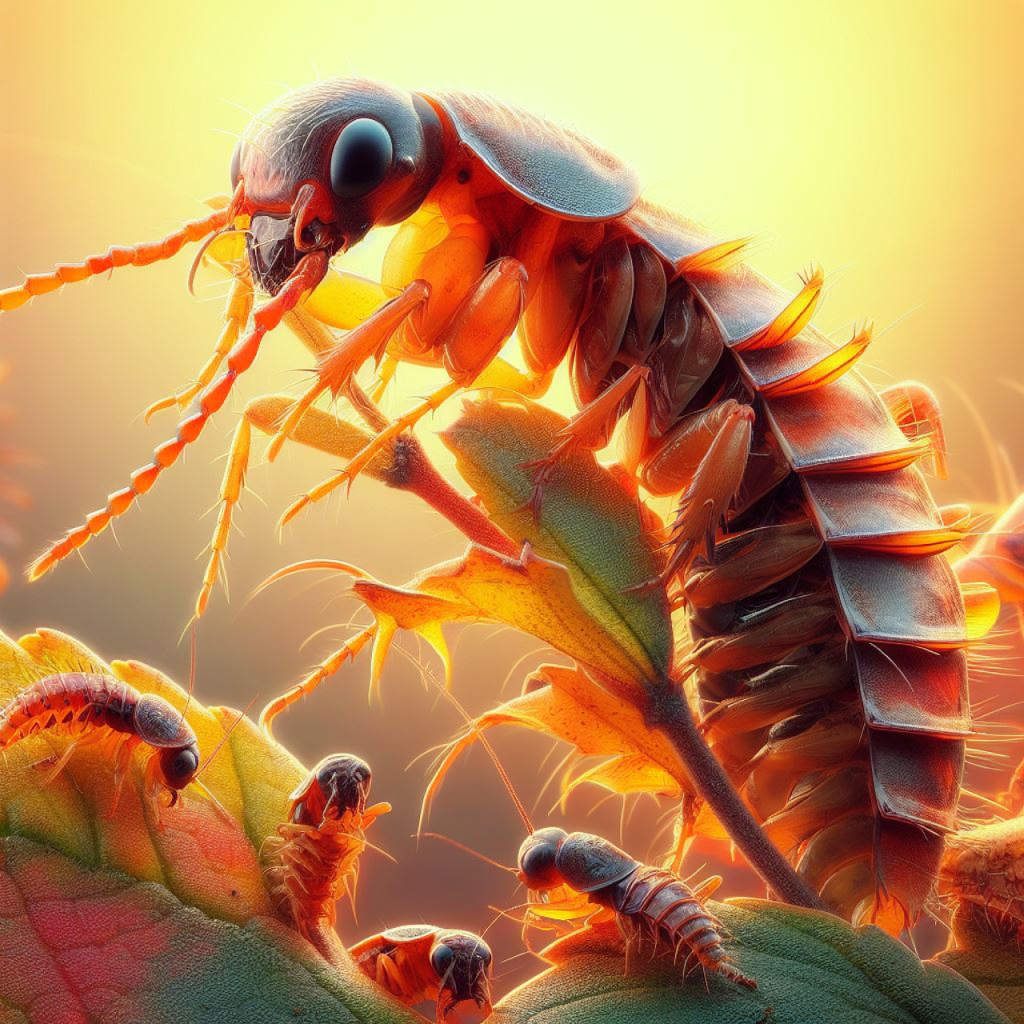
One of the most fascinating traits of earwigs is their maternal care. After mating, the female lays eggs in underground nests and actively guards them against predators and fungi. She regularly cleans the eggs with her mouth and stays with the nymphs after hatching, feeding them during the early days.
Their life cycle involves several molts, during which nymphs gradually resemble the adults. Sexual maturity is reached in 1–2 months, and the average lifespan is up to one year.
Ruolo ecologico
Ecological Role
Contrariamente alla loro cattiva reputazione, le forbicine svolgono un ruolo benefico in molti ecosistemi. Consumando materiale in decomposizione, aiutano a riciclare la sostanza organica. Inoltre, controllano popolazioni di insetti dannosi, come afidi, uova di lepidotteri e acari.
In ambienti naturali, contribuiscono all’equilibrio delle catene alimentari, fungendo sia da predatori sia da prede per uccelli, rettili e piccoli mammiferi.
Despite their bad reputation, earwigs play a beneficial role in many ecosystems. By feeding on decaying matter, they help recycle organic material. They also help control populations of harmful insects such as aphids, caterpillar eggs, and mites.
In natural settings, they contribute to food web balance, acting both as predators and prey for birds, reptiles, and small mammals.
Le forbicine in giardino: amiche o nemiche?
Earwigs in the Garden: Friend or Foe?
Nel giardinaggio, le forbicine rappresentano un caso ambiguo. In piccole quantità sono utili alleate nella lotta biologica contro i parassiti. Tuttavia, se la popolazione aumenta troppo, possono attaccare petali, germogli e frutti, causando danni visibili.
In casi gravi, si nutrono di dalie, crisantemi, fragole, insalate, zucchine e altre colture. Per questo è importante valutare il contesto prima di decidere se e come intervenire.
In gardening, earwigs are a double-edged sword. In small numbers, they are useful allies in biological pest control. However, if their population grows too large, they may attack petals, buds, and fruits, causing visible damage.
In severe cases, they feed on dahlias, chrysanthemums, strawberries, lettuce, zucchini, and other crops. Therefore, it’s important to evaluate the situation before deciding whether and how to intervene.
Come gestire le infestazioni
Managing Infestations
Le infestazioni di forbicine possono essere gestite con metodi ecologici e non invasivi. Alcune tecniche comuni includono:
- Trappole artigianali con giornali umidi arrotolati o vasi capovolti riempiti di paglia.
- Rimozione manuale degli individui raccolti di notte.
- Uso moderato di barriere fisiche (cenere, segatura) intorno alle piante.
- Evitare l’uso eccessivo di pesticidi che danneggerebbero anche predatori naturali.
Earwig infestations can be managed using eco-friendly and non-invasive methods. Common techniques include:
- DIY traps with rolled damp newspapers or upside-down pots filled with straw.
- Manual removal of individuals collected at night.
- Moderate use of physical barriers (ash, sawdust) around plants.
- Avoiding overuse of pesticides that would also harm natural predators.
Miti e curiosità
Myths and Curiosities
Il nome “forbicina” deriva dall’errata credenza che questi insetti possano penetrare nel condotto uditivo umano, danneggiando il cervello. In realtà, si tratta di una leggenda infondata, probabilmente nata dal loro aspetto inquietante e dalle abitudini notturne.
Curiosamente, alcune culture asiatiche considerano le forbicine simboli di fortuna e prosperità, per via della loro capacità di prendersi cura della prole e della loro tenacia.
The name “earwig” comes from the old myth that these insects crawl into the human ear and burrow into the brain. In reality, this is a completely unfounded legend, likely born from their creepy appearance and nocturnal habits.
Interestingly, some Asian cultures consider earwigs symbols of luck and prosperity due to their maternal behavior and resilience.
Distribuzione e habitat
Distribution and Habitat
Le forbicine sono presenti in tutti i continenti tranne l’Antartide. Prediligono ambienti umidi e ombreggiati: giardini, legname in decomposizione, pacciamature, bordure erbose e sottovasi. In casa possono entrare occasionalmente, attratte dall’umidità, ma non formano colonie né nidificano all’interno.
Sono particolarmente attive in primavera ed estate, quando le temperature favoriscono la riproduzione e l’attività notturna.
Earwigs are found on every continent except Antarctica. They prefer moist, shaded environments such as gardens, decomposing wood, mulch, grassy borders, and the undersides of flowerpots. They may occasionally enter homes in search of moisture but do not form colonies or nest indoors.
They are especially active in spring and summer, when temperatures favor reproduction and nighttime activity.
Conclusione
Conclusion
Le forbicine sono spesso fraintese: temute a causa della loro forma e delle leggende popolari, ma in realtà sono insetti utili e affascinanti. Conoscere il loro comportamento, le abitudini alimentari e il ciclo vitale permette di gestirle correttamente in giardino, evitando interventi drastici e preservando l’equilibrio ecologico.
Se viste con occhio entomologico, le forbicine non sono né mostri né minacce: sono parte integrante della biodiversità.
Earwigs are often misunderstood—feared for their appearance and urban legends, but in reality, they are useful and fascinating insects. Understanding their behavior, feeding habits, and life cycle allows us to manage them correctly in the garden, avoiding drastic measures and preserving ecological balance.
From an entomological perspective, earwigs are neither monsters nor threats: they are an essential part of biodiversity.
 458socom.org
Rispondi