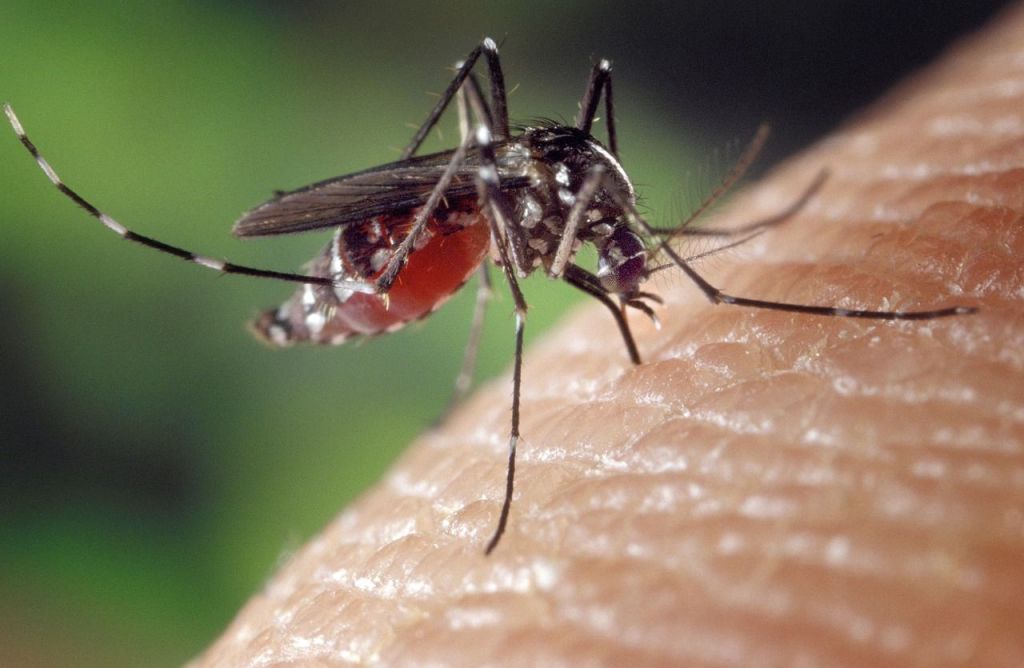
West Nile Virus: Everything We Know
Introduzione alla malattia
Introduction to the Disease
Il virus del Nilo Occidentale (WNV) è un arbovirus appartenente al genere Flavivirus della famiglia Flaviviridae. Identificato per la prima volta nel 1937 in Uganda, ha causato epidemie in vari continenti, diventando una minaccia sanitaria anche in Europa.
West Nile Virus (WNV) is an arbovirus of the Flavivirus genus, Flaviviridae family. First identified in Uganda in 1937, it has caused outbreaks across continents and is now a health threat in Europe as well.
La malattia può presentarsi in forma asintomatica, lieve (febbre del Nilo Occidentale), o grave (neuroinvasiva).
The disease can be asymptomatic, mild (West Nile fever), or severe (neuroinvasive form).
Modalità di trasmissione
Transmission Routes
Il WNV si trasmette principalmente attraverso la puntura di zanzare infette. Gli uccelli selvatici fungono da ospiti serbatoio, mentre i mammiferi come cavalli e uomini sono ospiti accidentali.
WNV is mainly transmitted through the bite of infected mosquitoes. Wild birds act as reservoir hosts, while mammals such as horses and humans are accidental hosts.
La trasmissione interumana è rara, ma possibile tramite trasfusioni di sangue, trapianti di organi o durante la gravidanza.
Human-to-human transmission is rare but possible via blood transfusions, organ transplants, or during pregnancy.
Quali zanzare trasmettono il virus?
Which Mosquitoes Transmit the Virus?
Il principale vettore del WNV è il genere Culex, in particolare Culex pipiens in Europa. Nonostante la popolarità della zanzara tigre (Aedes albopictus) per altre arbovirosi, essa non è considerata un vettore efficace del WNV.
The primary vector of WNV is the Culex genus, especially Culex pipiens in Europe. Despite the notoriety of the Asian tiger mosquito (Aedes albopictus) for other arboviruses, it is not an efficient vector of WNV.
Le zanzare Culex sono notturne, si riproducono in acque stagnanti e pungono soprattutto uccelli e umani.
Culex mosquitoes are nocturnal, breed in stagnant water, and feed mainly on birds and humans.
Sintomi e quadro clinico
Symptoms and Clinical Picture
Il 70–80% degli infetti non mostra alcun sintomo. Il restante sviluppa febbre, mal di testa, dolori muscolari, nausea e talvolta eruzione cutanea.
70–80% of infected individuals show no symptoms. The rest develop fever, headache, muscle aches, nausea, and sometimes rash.
Circa l’1% dei casi evolve in forma neuroinvasiva, con encefalite, meningite o paralisi flaccida acuta.
About 1% of cases develop into the neuroinvasive form, with encephalitis, meningitis, or acute flaccid paralysis.
I soggetti a rischio sono anziani, immunodepressi e chi ha malattie croniche.
At-risk individuals include the elderly, immunocompromised, and those with chronic illnesses.
Diagnosi e sorveglianza
Diagnosis and Surveillance
La diagnosi si basa su test sierologici (ricerca di anticorpi IgM/IgG) e PCR per la rilevazione diretta del virus.
Diagnosis relies on serological tests (IgM/IgG antibodies) and PCR for direct virus detection.
In molti Paesi è attiva una sorveglianza entomologica e veterinaria: si monitorano zanzare, cavalli e uccelli morti per individuare focolai precoci.
Many countries conduct entomological and veterinary surveillance, monitoring mosquitoes, horses, and dead birds to detect early outbreaks.
Epidemiologia globale
Global Epidemiology
Originario dell’Africa, il virus si è diffuso in Medio Oriente, Europa, Asia e Americhe. L’introduzione negli Stati Uniti nel 1999 ha causato migliaia di casi.
Originally from Africa, the virus has spread to the Middle East, Europe, Asia, and the Americas. Its introduction to the U.S. in 1999 caused thousands of cases.
In Europa, Italia, Grecia, Romania e Ungheria sono tra i Paesi più colpiti.
In Europe, Italy, Greece, Romania, and Hungary are among the most affected countries.
Il cambiamento climatico, le migrazioni di uccelli e la globalizzazione hanno contribuito alla sua espansione.
Climate change, bird migration, and globalization have contributed to its spread.
Situazione in Italia
The Situation in Italy
L’Italia ha registrato numerosi focolai a partire dal 2008, soprattutto nelle regioni della Pianura Padana.
Italy has reported several outbreaks since 2008, especially in the Po Valley regions.
Il sistema di sorveglianza integrata monitora uccelli, cavalli e zanzare, con l’obiettivo di prevenire l’infezione nell’uomo.
The integrated surveillance system monitors birds, horses, and mosquitoes to prevent human infection.
Le autorità sanitarie pubblicano regolarmente bollettini con dati aggiornati sui casi umani e animali.
Health authorities regularly publish bulletins with updated data on human and animal cases.
Prevenzione e controllo
Prevention and Control
Non esistono vaccini per l’uomo. La prevenzione si basa sul controllo delle zanzare e sulla protezione individuale.
There is no vaccine for humans. Prevention is based on mosquito control and personal protection.
Misure principali:
Main Measures:
- Eliminare ristagni d’acqua (sottovasi, tombini, secchi)
Remove standing water (flowerpots, drains, buckets) - Installare zanzariere e usare repellenti
Use mosquito nets and repellents - Trattare con larvicidi le zone a rischio
Treat risk areas with larvicides - Sensibilizzare la popolazione nei mesi estivi
Raise awareness during summer months
Terapia e gestione dei casi
Treatment and Case Management
Non esistono antivirali specifici per il WNV. Il trattamento è sintomatico e di supporto.
There are no specific antivirals for WNV. Treatment is symptomatic and supportive.
Nei casi lievi: riposo, idratazione, antipiretici.
In mild cases: rest, hydration, antipyretics.
Nei casi gravi: ospedalizzazione, supporto respiratorio, terapia intensiva.
In severe cases: hospitalization, respiratory support, intensive care.
Impatto su animali e ambiente
Impact on Animals and the Environment
Il virus colpisce cavalli (con sintomi neurologici), uccelli (che spesso muoiono), e può alterare gli equilibri ecologici.
The virus affects horses (neurological symptoms), birds (often fatal), and may disrupt ecological balance.
In alcuni ecosistemi, la mortalità di uccelli rapaci o migratori ha avuto conseguenze a cascata sulla biodiversità.
In some ecosystems, the death of raptors or migratory birds has caused cascading effects on biodiversity.
Possibilità di future epidemie
Potential for Future Epidemics
Il riscaldamento globale e l’espansione delle aree umide favoriscono le zanzare Culex, aumentando il rischio di epidemie future.
Global warming and the expansion of wetlands favor Culex mosquitoes, increasing the risk of future outbreaks.
La presenza del virus in aree sempre più vaste rende necessario un coordinamento internazionale nella sorveglianza e nella prevenzione.
The presence of the virus in increasingly wide areas demands international coordination in surveillance and prevention.
Differenze con altri virus trasmessi da zanzare
Differences from Other Mosquito-Borne Viruses
Il WNV è spesso confuso con Dengue, Zika o Chikungunya, ma presenta caratteristiche diverse:
WNV is often confused with Dengue, Zika, or Chikungunya but has distinct features:
- Non causa manifestazioni cutanee evidenti come Dengue
Does not cause prominent skin rashes like Dengue - Ha un rischio maggiore di neuroinvasività rispetto a Zika
Higher risk of neuroinvasiveness compared to Zika - È trasmesso da Culex, non da Aedes albopictus
Transmitted by Culex, not Aedes albopictus
Ricerca e prospettive future
Research and Future Perspectives
Gli studi attuali mirano allo sviluppo di vaccini umani e antivirali specifici. Sono in corso trial clinici con candidati vaccinali a base di DNA e RNA.
Current studies aim to develop human vaccines and specific antivirals. Clinical trials are underway with DNA- and RNA-based vaccine candidates.
La tecnologia CRISPR viene studiata per modificare geneticamente le zanzare Culex e renderle incapaci di trasmettere il virus.
CRISPR technology is being studied to genetically modify Culex mosquitoes to make them incapable of transmitting the virus.
Conclusione
Conclusion
Il virus del Nilo Occidentale rappresenta una minaccia sanitaria concreta, ma prevenibile. La chiave è la consapevolezza: ridurre i siti di riproduzione delle zanzare, proteggersi durante l’estate e supportare la ricerca.
West Nile Virus is a real but preventable health threat. The key lies in awareness: reduce mosquito breeding sites, protect oneself during summer, and support research.
Con un approccio integrato tra medicina umana, veterinaria e entomologia, possiamo ridurre l’impatto di questa malattia.
With an integrated approach between human medicine, veterinary science, and entomology, we can reduce the impact of this disease.
 458socom.org
Rispondi