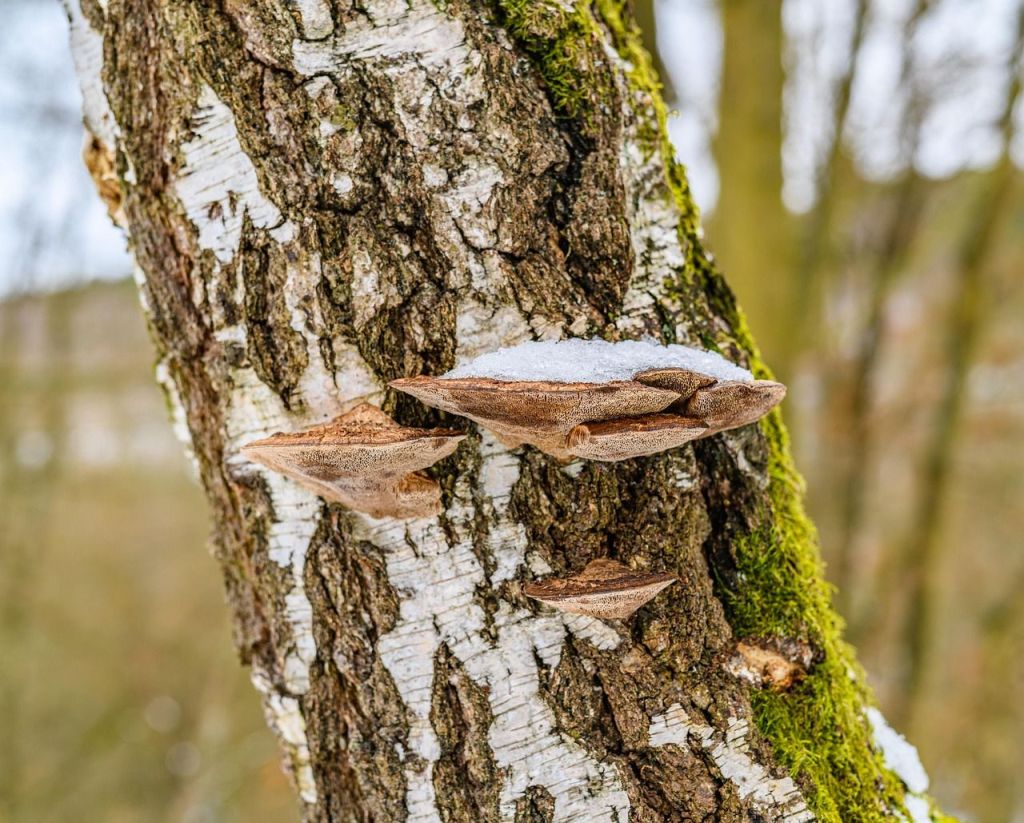
Polyporus fulvous: A Comprehensive Guide to a Lesser-Known Fungus
1. Introduzione al genere Polyporus
1. Introduction to the Polyporus Genus
Il genere Polyporus appartiene alla famiglia delle Polyporaceae, comprendente funghi basidiomiceti noti per la presenza di pori anziché lamelle sotto il cappello. Questi funghi svolgono un ruolo fondamentale nei processi di decomposizione del legno, contribuendo al ciclo naturale della materia organica nei boschi.
The Polyporus genus belongs to the Polyporaceae family, which includes basidiomycete fungi known for their pores instead of gills under the cap. These fungi play a crucial role in the decomposition of wood, supporting the natural cycle of organic matter in forests.
2. Identikit di Polyporus fulvous
2. Polyporus fulvous Identification
Polyporus fulvous è una specie rara, di difficile osservazione, caratterizzata da un cappello fulvo (giallo-bruno), superficie vellutata e pori regolari e arrotondati nella parte inferiore. Ha un portamento centrale o subcentrale, e cresce su legni duri morti, in ambienti boschivi umidi.
Polyporus fulvous is a rare species, difficult to observe, characterized by a tawny (yellow-brown) cap, velvety surface, and regular, rounded pores on the underside. It typically has a central or subcentral stipe and grows on dead hardwood, in moist woodland environments.
3. Caratteristiche morfologiche dettagliate
3. Detailed Morphological Features
- Cappello (Pileus): di forma circolare, con diametro dai 3 ai 10 cm, di colore fulvo o ocra, talvolta con sfumature arancio-ruggine. La superficie è asciutta e finemente vellutata.
- Tubuli e pori: i pori sono piccoli, tondeggianti, fitti (3-5 per mm), e di colore bianco-crema che scurisce con l’età.
- Gambo (Stipe): lungo fino a 6 cm, marrone scuro alla base, fibroso, spesso leggermente curvo o decentrato.
- Carne: sottile, coriacea, di colore chiaro, senza odori significativi.
- Cap (Pileus): circular, 3–10 cm in diameter, tawny or ochre in color, sometimes with rusty-orange tones. The surface is dry and finely velvety.
- Tubes and pores: pores are small, round, dense (3–5 per mm), and cream-colored, darkening with age.
- Stipe: up to 6 cm long, dark brown at the base, fibrous, often slightly curved or off-center.
- Flesh: thin, leathery, light-colored, without a distinct smell.
4. Habitat e distribuzione
4. Habitat and Distribution
Polyporus fulvous cresce principalmente su tronchi e rami morti di latifoglie, in particolare querce, faggi e castagni. Preferisce ambienti umidi, ben ombreggiati, spesso lungo sentieri forestali, rive di torrenti o nei pressi di tronchi marcescenti. È stato segnalato in Europa, Nord America e alcune aree dell’Asia orientale, ma sempre in modo sporadico.
Polyporus fulvous grows mainly on dead trunks and branches of hardwood trees, especially oaks, beeches, and chestnuts. It prefers humid, shaded environments, often along forest paths, near stream banks, or on decaying logs. It has been reported in Europe, North America, and some parts of East Asia, but always sporadically.
5. Ecologia e ruolo nell’ecosistema
5. Ecology and Role in the Ecosystem
Questa specie è un importante decompositore: attacca il legno morto, innescando la carie bianca, un tipo di decomposizione che degrada la lignina e lascia la cellulosa. Questo processo arricchisce il suolo di materia organica e favorisce la biodiversità del sottobosco.
This species is an important decomposer: it attacks dead wood, initiating white rot, a type of decay that breaks down lignin and leaves cellulose. This process enriches the soil with organic matter and supports the biodiversity of the forest floor.
6. Confusioni con altre specie
6. Possible Confusions with Other Species
A causa del colore e della forma, Polyporus fulvous può essere confuso con altri polipori come:
- Polyporus arcularius – ha pori più grandi e un cappello squamoso.
- Polyporus varius – con gambo centrale più spesso e superficie più liscia.
- Lentinus tigrinus – simile nel colore, ma presenta lamelle e non pori.
Due to its color and shape, Polyporus fulvous can be confused with other polypores such as:
- Polyporus arcularius – has larger pores and a scaly cap.
- Polyporus varius – features a thicker central stipe and a smoother cap.
- Lentinus tigrinus – similar in color, but it has gills instead of pores.
7. Tossicità ed edibilità
7. Toxicity and Edibility
Non esistono dati affidabili che ne attestino l’edibilità. Tuttavia, la carne coriacea e il sapore insignificante lo rendono inadatto al consumo umano. È considerato non commestibile, ma non tossico.
There is no reliable data confirming edibility. However, its leathery texture and bland taste make it unsuitable for human consumption. It is considered inedible, but not toxic.
8. Uso tradizionale ed etnomicologia
8. Traditional Use and Ethnomycology
Nonostante non sia utilizzato in cucina, alcune culture boschive ne apprezzavano la consistenza coriacea per realizzare piccoli oggetti, come supporti per scrittura o ornamenti essiccati. Alcune ricerche esplorano il potenziale di Polyporus fulvous nella produzione di materiali biodegradabili.
Although not used in cooking, some forest-based cultures appreciated its leathery texture for crafting small items, such as writing supports or dried ornaments. Some research explores the potential of Polyporus fulvous in the production of biodegradable materials.
9. Coltivazione e osservazione in natura
9. Cultivation and Observation in Nature
La coltivazione di P. fulvous non è documentata in ambito commerciale o amatoriale. Tuttavia, per gli appassionati di micologia, la sua osservazione in natura può essere un’esperienza entusiasmante, specialmente nei periodi umidi da primavera ad autunno.
Cultivation of P. fulvous is not documented in commercial or amateur contexts. However, for mycology enthusiasts, spotting it in nature can be an exciting experience, especially during moist seasons from spring to autumn.
10. Importanza per la ricerca micologica
10. Importance for Mycological Research
Il basso numero di avvistamenti e le sue caratteristiche intermedie tra diverse specie del genere Polyporus rendono P. fulvous di particolare interesse per gli studiosi della tassonomia fungina. L’analisi genetica del DNA ha contribuito a chiarire la sua posizione sistematica all’interno delle Polyporaceae.
The low number of sightings and its intermediate traits between various Polyporus species make P. fulvous particularly interesting for fungal taxonomy scholars. DNA analysis has helped clarify its systematic position within the Polyporaceae family.
11. Curiosità e aneddoti
11. Curiosities and Anecdotes
- In alcune aree, viene chiamato “fungo del velluto bruno” per la sua superficie morbida al tatto.
- Alcuni naturalisti lo usano come indicatore della salute delle foreste decidue.
- È raro nei boschi gestiti artificialmente, suggerendo una preferenza per ecosistemi maturi e poco disturbati.
- In some areas, it is called the “brown velvet mushroom” due to its soft-touch surface.
- Some naturalists use it as an indicator of the health of deciduous forests.
- It is rare in managed forests, suggesting a preference for mature, undisturbed ecosystems.
12. Conclusione: un piccolo tesoro per appassionati e studiosi
12. Conclusion: A Small Treasure for Enthusiasts and Scholars
Polyporus fulvous non è tra i funghi più noti o appariscenti, ma rappresenta un vero gioiello per chi si dedica alla micologia con passione. La sua discreta presenza nei boschi, la struttura raffinata e il ruolo ecologico lo rendono un esempio perfetto dell’eleganza nascosta della natura.
Polyporus fulvous may not be among the most famous or flashy fungi, but it is a true gem for those who explore mycology with passion. Its subtle forest presence, refined structure, and ecological role make it a perfect example of nature’s hidden elegance.
 458socom.org
Rispondi