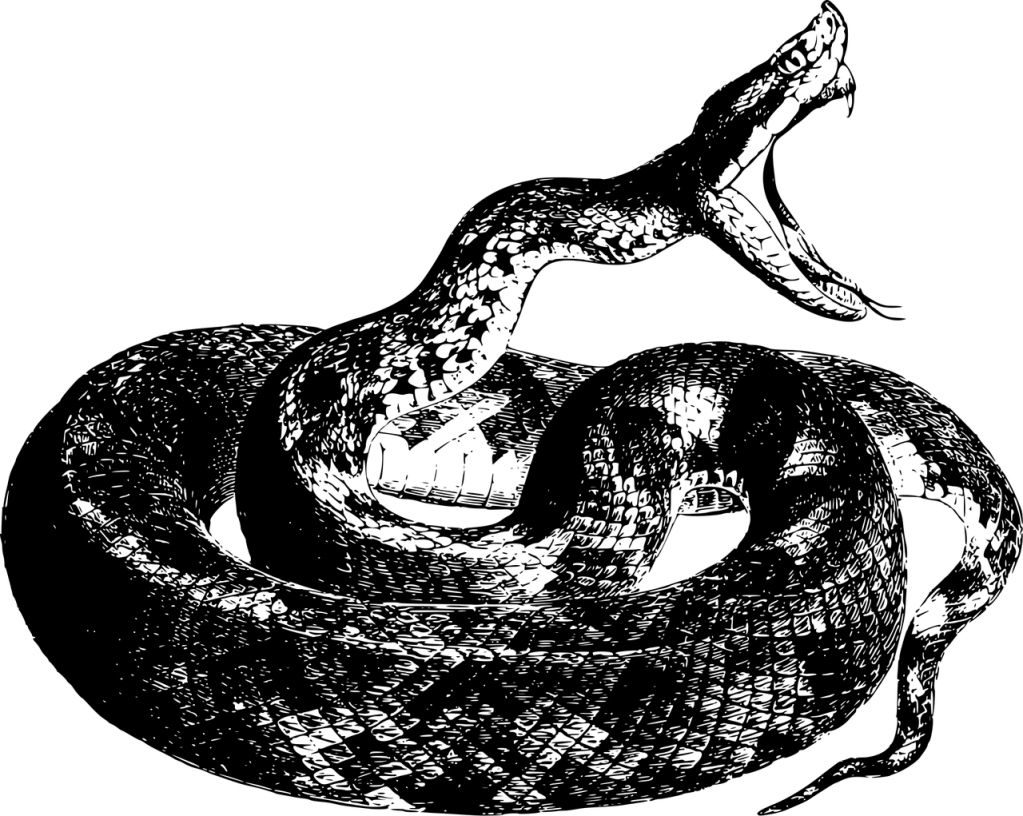
Fer-de-Lance: The Venomous Lord of the Amazon
1. Introduzione
Introduction
Il Fer-de-Lance (Bothrops atrox), noto anche come “Terciopelo” o “Barba Amarilla”, è uno dei serpenti più pericolosi del Sud America. Appartenente alla famiglia dei viperidi, è responsabile di una gran parte dei morsi velenosi nell’Amazzonia.
The Fer-de-Lance (Bothrops atrox), also known as “Terciopelo” or “Barba Amarilla”, is one of the most dangerous snakes in South America. Belonging to the viper family, it accounts for a large share of venomous bites in the Amazon region.
2. Habitat e distribuzione
Habitat and Distribution
Questo serpente si trova comunemente in tutto il bacino amazzonico, compresi Brasile, Colombia, Ecuador, Perù, Venezuela e Bolivia. Predilige le foreste umide tropicali, ma può essere avvistato anche nelle piantagioni o ai margini delle aree urbane.
This snake is commonly found throughout the Amazon basin, including Brazil, Colombia, Ecuador, Peru, Venezuela, and Bolivia. It prefers humid tropical forests, but can also be spotted near plantations or the edges of urban areas.
3. Aspetto fisico
Physical Appearance
Il Fer-de-Lance può raggiungere una lunghezza di 1,5–2 metri. Ha un corpo tozzo, con disegni a forma di punta di lancia sul dorso e occhi con pupille verticali. Il colore varia dal marrone al verde oliva, perfettamente mimetico nel sottobosco.
The Fer-de-Lance can reach a length of 1.5–2 meters. It has a stocky body with lance-shaped dorsal patterns and vertical-slit pupils. Its color ranges from brown to olive green, blending perfectly with the forest floor.
4. Comportamento e caccia
Behavior and Hunting
È un predatore notturno, molto paziente. Attende le prede nascondendosi tra la vegetazione, per poi colpire con un attacco fulmineo. Si nutre di roditori, uccelli, rane e persino altri serpenti. Questo lo rende un importante regolatore ecologico.
It’s a nocturnal predator, highly patient. It waits in ambush among the foliage, then strikes with lightning speed. It feeds on rodents, birds, frogs, and even other snakes—making it a vital ecological regulator.
5. Il veleno
The Venom
Il veleno è emotossico: distrugge i tessuti, causa emorragie interne e necrosi. I sintomi includono dolore intenso, gonfiore, febbre e, nei casi più gravi, amputazioni o morte. Senza trattamento, il tasso di mortalità può superare il 10%.
The venom is hemotoxic: it destroys tissues, causes internal bleeding, and necrosis. Symptoms include intense pain, swelling, fever, and in severe cases, amputations or death. Without treatment, the fatality rate can exceed 10%.
6. Pericolosità per l’uomo
Danger to Humans
Il Fer-de-Lance è estremamente pericoloso non solo per la potenza del suo veleno, ma anche perché tende a non fuggire se disturbato. Molti incidenti avvengono durante il lavoro agricolo o camminate nella giungla.
The Fer-de-Lance is extremely dangerous not just because of its venom, but also because it tends not to flee when disturbed. Many incidents occur during agricultural work or jungle treks.
7. Curiosità
Trivia
- Il nome “Fer-de-Lance” significa “punta di lancia” in francese.
- I giovani sono già velenosi dalla nascita.
- In alcune culture indigene è rispettato come simbolo di forza e morte.
- The name “Fer-de-Lance” means “spearhead” in French.
- Juveniles are venomous from birth.
- In some indigenous cultures, it is revered as a symbol of power and death.
8. Conservazione e gestione del rischio
Conservation and Risk Management
Anche se non è in pericolo di estinzione, la coesistenza con l’uomo richiede educazione e prevenzione. Campagne di sensibilizzazione e la disponibilità di sieri antiveleno sono essenziali.
Although it’s not endangered, coexistence with humans requires education and prevention. Awareness campaigns and availability of antivenom are essential.
 458socom.org
Rispondi