
1. Introduzione / Introduction
[IT]
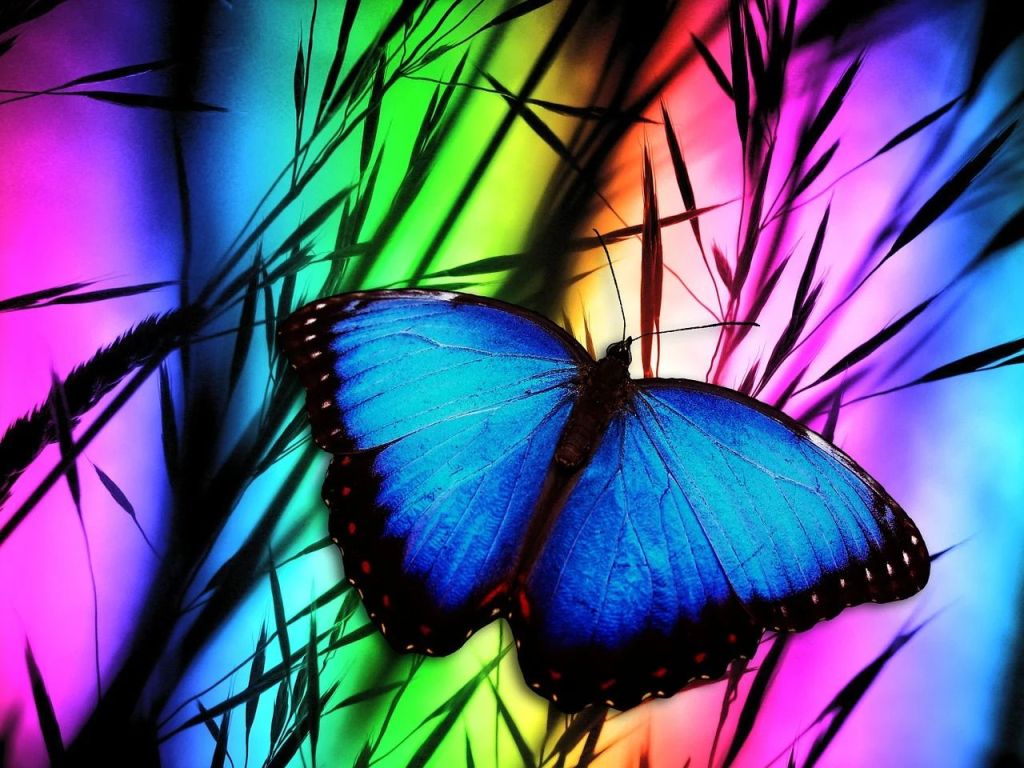
Le famose “farfalle blu” dell’Amazzonia — come le Morpho menelaus, Morpho didius e altre specie affini — incantano per le loro ali scintillanti, simbolo della biodiversità tropicale. Questo manuale esplora ogni aspetto di queste creature: origine, morfologia, speciazione, adattamenti, ruolo ecologico e impatto sull’uomo e sul turismo naturalistico.
[EN]
The Amazon’s iconic “blue butterflies”— such as Morpho menelaus, Morpho didius, and related species—faultlessly dazzle with iridescent wings, emblematic of tropical biodiversity. This manual examines every aspect of these creatures: origin, morphology, speciation, adaptations, ecological role, and their impact on humans and ecotourism.
2. Tassonomia e varietà di specie / Taxonomy & Species Variety
[IT]
La farfalla blu appartiene al genere Morpho (famiglia Nymphalidae). Esistono circa una dozzina di specie caratteristiche dell’Amazzonia. Le differenze tra specie spesso risiedono in venature, dimensioni, e sfumature di riflessione. La speciazione è avvenuta su micro-isole ecologiche: fiumi, corridoi forestali e microclimi creano varianti isolati.
[EN]
Blue butterflies belong to the genus Morpho (family Nymphalidae). There are about a dozen species native to the Amazon. Differences among species often lie in wing venation, size, and reflective hue. Speciation occurred across ecological micro-islands: rivers, forest corridors, and microclimates produce isolated variants.
3. Morfologia e colore iridescente / Morphology & Iridescent Color
[IT]
Le ali possono raggiungere fino a 20 cm di apertura. La sfumatura blu deriva da strutture microscopiche sulle squame alari che rifrangono la luce, non da pigmenti. Questo conferisce un effetto tridimensionale e variabile secondo angolo di osservazione e irradiamento. Il lato inferiore è spesso marrone-terroso con ocelli che servono da mimetismo.
[EN]
The wings can reach up to 20 cm in wingspan. The blue hue originates from microscopic nanostructures on wing scales that refract light—not pigments. This produces a three-dimensional sheen that shifts depending on viewing angle and light incidence. The ventral side is typically earthy brown with ocelli that serve camouflage.
4. Ciclo vitale e riproduzione / Life Cycle & Reproduction
[IT]
La farfalla blu svolge una metamorfosi completa: uovo → larva → crisalide → adulto. Le uova sono deposte su fogliame specifico, spesso da piante del genere Inga e Pentaclethra. Le larve si nutrono esclusivamente di determinati legni o fronde. L’adulto emerge dopo circa 3–4 settimane in stagione. Gli adulti vivono circa 2–3 settimane, tempo in cui si riproducono intensamente.
[EN]
Blue butterflies undergo complete metamorphosis: egg → larva → chrysalis → adult. Eggs are laid on specific foliage, often from Inga and Pentaclethra plants. Larvae feed exclusively on certain leaves or wood. Adults emerge after approximately 3–4 weeks in the breeding season. They live around 2–3 weeks, during which they reproduce extensively.
5. Habitat & distribuzione geografiche / Habitat & Geographic Distribution
[IT]
Presenti in tutto il bacino amazzonico e in regioni vicine come Colombia, Perù, Ecuador. Preferiscono bordi di foresta, radure luminose e rive fluviali dove il sole-filtrato crea microclimi favorevoli al volo e alla deposizione.
[EN]
Found throughout the Amazon basin and adjacent regions like Colombia, Peru, Ecuador. They prefer forest edges, sunlit clearings, and riverbanks where filtered sunlight creates favorable microclimates for flight and egg-laying.
6. Comportamento e voli spettacolari / Behavior & Spectacular Flight
[IT]
Il volo è lento, ondivago, visibile da lunga distanza grazie alla rifrazione blu. I maschi svolgono voli territoriali sopra l’erba alta. Di giorno le femmine sono più nascoste e legate alle piante nutrici. Il volo riflettente può confondere predatori e aiutare la dispersione visiva nel branco.
[EN]
Their flight is slow and waving, visible from afar due to the luminous blue refraction. Males perform territorial patrols above tall grass. Females are more secretive during daylight and remain near host plants. The reflective flight can dazzle predators and aid visual dispersion in groups.
7. Ruolo ecologico & interazioni / Ecological Role & Interactions
[IT]
Come impollinatrici occasionali, le farfalle blu partecipano indirettamente alla salute dell’ecosistema. Le larve regolano il fogliame su cui si sviluppano. Sono preda di uccelli insetto-cacciatori e piccole rane. In cultura locale sono simbolo di bellezza e protezione della foresta.
[EN]
As occasional pollinators, blue butterflies contribute indirectly to ecosystem health. Larvae regulate foliage on host plants. They serve as prey for insectivorous birds and small frogs. In local cultures they symbolize beauty and forest protection.
8. Tecniche di osservazione e fotografia / Observation & Photography Tips
[IT]
Le migliori ore sono alba e tramonto vicino a radure. Utilizza flash indiretti, lunghe focali e modalità macro. I riflessi iridescenti richiedono tempi brevi e ISO bassi per evitare né bianchi né scuri. Osserva uccelli insetto-cacciatori: spesso indicano la presenza di Morpho in volo.
[EN]
The best times are dawn and dusk near clearings. Use indirect flash, long lenses, and macro mode. Iridescent reflections require fast shutter speeds and low ISO to avoid blowing highlights or losing detail. Observe insectivorous birds—they often indicate Morpho presence.
9. Minacce e conservazione / Threats & Conservation
[IT]
La deforestazione e il disboscamento per agricoltura minacciano habitat critici. La raccolta per il collezionismo e il commercio souvenir impatta alcune popolazioni. Progetti di ecoturismo sostenibile e riserve protette stanno contribuendo alla loro protezione.
[EN]
Deforestation and agricultural clearing threaten critical habitats. Collection for souvenirs and the butterfly trade affects some populations. Sustainable ecotourism and protected reserves are helping with conservation efforts.
10. Cultura & divulgazione scientifica / Culture & Outreach
[IT]
Le farfalle blu sono protagoniste in letteratura naturalistica, musei di storia naturale e festival amazzonici. Sono presenti su francobolli, loghi e materiale promozionale ecoturistico. Diventano ambasciatrici della conservazione della foresta.
[EN]
Blue butterflies feature prominently in nature writing, natural history museums, and Amazonian festivals. They appear on stamps, logos, and ecotour promotional materials. They serve as ambassadors for rainforest conservation.
11. Schede tecniche bulk per il sito / Bulk Technical Sheets
- Scheda 1: Morpho menelaus – dimensioni, habitat, ciclo vitale, note identificative
- Scheda 2: Morpho didius
- Scheda 3: Morpho aega
Ognuna con descrizioni concise italian‑inglese.
12. Conclusione & Call to Action / Conclusion & Call to Action
[IT]
Le farfalle blu dell’Amazzonia rappresentano un ponte tra la bellezza estetica e il rispetto della natura. Capirle aiuta a sostenere un mondo dove l’equilibrio ecologico ha valore. Usa il tuo sito per farle conoscere e ispirare la tutela della biodiversità.
[EN]
Amazonian blue butterflies stand as a bridge between aesthetic beauty and nature conservation. Understanding them helps support a world where ecological balance matters. Use your site to showcase them and inspire biodiversity protection.
 458socom.org
Rispondi