🇦🇹🇬🇧🇦🇹🇬🇧🇬🇧
Introduzione / Introduction
Italiano:
Dynastes hercules è uno degli insetti più affascinanti e imponenti del mondo, noto per le sue dimensioni straordinarie e le sue caratteristiche uniche. Questo coleottero appartenente alla famiglia Scarabaeidae, sottofamiglia Dynastinae, è famoso non solo per la sua stazza, che può superare i 17 cm di lunghezza, ma anche per il suo corno caratteristico, che nei maschi può raggiungere dimensioni impressionanti. La sua presenza nelle foreste tropicali del Centro e Sud America lo rende un simbolo della biodiversità e della complessità degli ecosistemi tropicali.
English:
Dynastes hercules is one of the most fascinating and impressive insects in the world, known for its extraordinary size and unique characteristics. This beetle belongs to the family Scarabaeidae, subfamily Dynastinae, and is famous not only for its size, which can exceed 17 cm in length, but also for its distinctive horn, which in males can reach impressive dimensions. Its presence in the tropical forests of Central and South America makes it a symbol of biodiversity and the complexity of tropical ecosystems.
Tassonomia e Classificazione / Taxonomy and Classification
Italiano:
Dynastes hercules fa parte dell’ordine Coleoptera, che comprende tutti i coleotteri. La sua famiglia, Scarabaeidae, include molti insetti noti come scarabei. All’interno di questa famiglia, Dynastes hercules appartiene alla sottofamiglia Dynastinae, comunemente chiamata “scarabei rinoceronte” per via dei loro corni prominenti. Il nome di genere “Dynastes” deriva dal greco e significa “sovrano” o “potente”, un riferimento alla forza e alle dimensioni di questi insetti.
English:
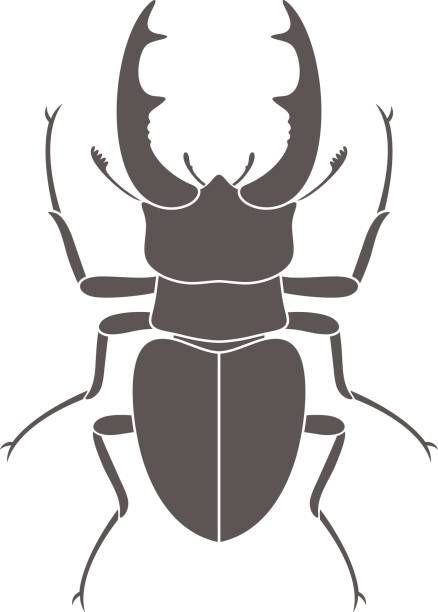
Dynastes hercules belongs to the order Coleoptera, which includes all beetles. Its family, Scarabaeidae, includes many insects known as scarabs. Within this family, Dynastes hercules belongs to the subfamily Dynastinae, commonly called “rhinoceros beetles” due to their prominent horns. The genus name “Dynastes” derives from Greek meaning “ruler” or “powerful,” referencing the strength and size of these insects.
Distribuzione e Habitat / Distribution and Habitat
Italiano:
Il Dynastes hercules è diffuso nelle foreste tropicali di paesi come Venezuela, Colombia, Ecuador, Perù, Brasile, e anche nelle isole dei Caraibi. Predilige habitat umidi e ombrosi, con abbondanza di legno morto, che rappresenta il principale materiale nutritivo per le larve. Le foreste pluviali offrono un microclima ideale, con temperature elevate e alta umidità, condizioni essenziali per il ciclo vitale di questo coleottero.
English:
Dynastes hercules is found in the tropical forests of countries such as Venezuela, Colombia, Ecuador, Peru, Brazil, and also on Caribbean islands. It prefers humid and shady habitats, with abundant dead wood, which represents the primary food source for the larvae. Rainforests provide an ideal microclimate, with high temperatures and humidity, essential conditions for the life cycle of this beetle.
Morfologia e Aspetto Fisico / Morphology and Physical Appearance
Italiano:
Questo coleottero può raggiungere dimensioni imponenti, con i maschi che superano spesso i 15 cm e, in casi eccezionali, arrivano fino a 17 cm. La caratteristica più evidente è il corno, presente solo nei maschi, che può misurare più della metà della lunghezza totale del corpo. Questo corno biforcuto si estende dalla testa e serve per combattere altri maschi durante la stagione degli accoppiamenti. Le femmine, al contrario, sono prive di corno e hanno un corpo più arrotondato.
Il colore del carapace varia dal verde oliva al marrone scuro, spesso con riflessi metallici. Questa colorazione può cambiare leggermente in base all’umidità, un fenomeno studiato per la sua capacità di mimetismo e difesa.
English:
This beetle can reach impressive sizes, with males often exceeding 15 cm and, in exceptional cases, up to 17 cm. The most evident feature is the horn, present only in males, which can measure more than half the total body length. This bifurcated horn extends from the head and is used to fight other males during the mating season. Females, on the other hand, lack horns and have a rounder body shape.
The color of the carapace ranges from olive green to dark brown, often with metallic reflections. This coloration can slightly change depending on humidity, a phenomenon studied for its camouflage and defense capabilities.
Ciclo di Vita e Riproduzione / Life Cycle and Reproduction
Italiano:
Il ciclo vitale del Dynastes hercules dura circa 1-2 anni. Le femmine depongono le uova nel terreno ricco di materiale organico in decomposizione. Dopo la schiusa, le larve si nutrono di legno marcio e detriti vegetali per diversi mesi, passando attraverso vari stadi larvali. La metamorfosi completa avviene nel terreno, dove la larva si trasforma in pupa prima di emergere come adulto.
I maschi utilizzano i loro corni per competere con altri maschi, ingaggiando duelli che decidono l’accesso alle femmine. La competizione è intensa, e solo i maschi più forti e grandi riescono ad accoppiarsi.
English:
The life cycle of Dynastes hercules lasts about 1-2 years. Females lay eggs in soil rich in decomposing organic material. After hatching, larvae feed on rotten wood and plant debris for several months, going through various larval stages. Complete metamorphosis takes place in the soil, where the larva transforms into a pupa before emerging as an adult.
Males use their horns to compete with other males, engaging in duels that determine access to females. The competition is intense, and only the strongest and largest males succeed in mating.
Ruolo Ecologico e Importanza / Ecological Role and Importance
Italiano:
Dynastes hercules svolge un ruolo cruciale negli ecosistemi tropicali. Le larve aiutano nel riciclo della materia organica decomponendo il legno morto, contribuendo così alla fertilità del suolo. Gli adulti sono parte della catena alimentare, preda di uccelli, mammiferi e rettili. Inoltre, la loro presenza indica la salute degli habitat forestali, poiché sono sensibili ai cambiamenti ambientali e alla deforestazione.
English:
Dynastes hercules plays a crucial role in tropical ecosystems. The larvae help recycle organic matter by decomposing dead wood, thus contributing to soil fertility. Adults are part of the food chain, preyed upon by birds, mammals, and reptiles. Additionally, their presence indicates the health of forest habitats, as they are sensitive to environmental changes and deforestation.
Curiosità e Cultura / Curiosities and Culture
Italiano:
Dynastes hercules è spesso oggetto di collezionismo per via delle sue dimensioni e della sua bellezza. È anche protagonista di miti e leggende nelle popolazioni indigene dell’America Latina, dove viene visto come simbolo di forza e resistenza. La sua spettacolare presenza ha ispirato molti documentari naturalistici e studi scientifici.
English:
Dynastes hercules is often collected due to its size and beauty. It is also featured in myths and legends among indigenous populations of Latin America, where it is seen as a symbol of strength and resilience. Its spectacular presence has inspired many nature documentaries and scientific studies.
Conclusione / Conclusion
Italiano:
Dynastes hercules rappresenta un esempio straordinario di adattamento e biodiversità nelle foreste tropicali. La sua imponente figura, il ciclo di vita complesso e il ruolo ecologico lo rendono un soggetto di grande interesse scientifico e naturalistico. Proteggere questo insetto significa tutelare interi ecosistemi, fondamentali per il benessere del pianeta.
English:
Dynastes hercules represents an extraordinary example of adaptation and biodiversity in tropical forests. Its imposing figure, complex life cycle, and ecological role make it a subject of great scientific and naturalistic interest. Protecting this insect means safeguarding entire ecosystems, essential for the well-being of the planet.
Se vuoi posso aggiungere ancora più dettagli, curiosità, approfondimenti sulla morfologia interna, genetica, conservazione, o altri aspetti specifici!
Fammi sapere!
 458socom.org
Rispondi