🤠
🇬🇧🇦🇹🇬🇧🇦🇹🇬🇧🇦🇹
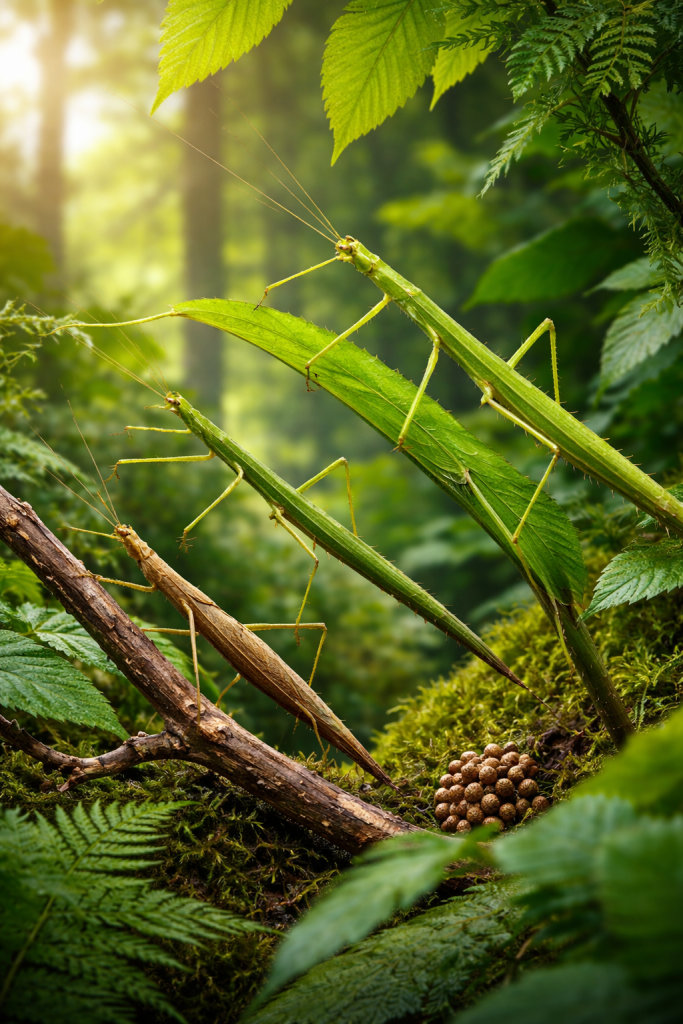
Stick Insects: Habitat and Distribution
Introduzione / Introduction
Gli insetti stecco si trovano in una vasta gamma di ambienti, dalle foreste pluviali tropicali ai boschi temperati. La loro presenza è strettamente legata alla disponibilità di vegetazione adatta per nutrirsi e mimetizzarsi.
Stick insects inhabit a wide range of environments, from tropical rainforests to temperate woodlands. Their presence is closely linked to the availability of suitable vegetation for feeding and camouflage.
Habitat naturale / Natural Habitat
Questi insetti prediligono piante arbustive e alberi, dove possono facilmente nascondersi dai predatori. In Europa si trovano principalmente in giardini, serre e collezioni amatoriali.
These insects prefer shrubs and trees, where they can easily hide from predators. In Europe, they are mainly found in gardens, greenhouses, and private collections.
Alcune specie tropicali vivono anche in ambienti umidi e ricchi di fogliame, dove il mimetismo diventa ancora più efficace grazie alla complessità dell’ambiente.
Some tropical species also inhabit humid, leafy environments, where camouflage is even more effective due to the complexity of the surroundings.
Distribuzione geografica / Geographic Distribution
Le specie di insetti stecco sono diffuse principalmente in Asia, Australia e Sud America, con alcune specie introdotte in Europa.
Stick insect species are primarily distributed in Asia, Australia, and South America, with some species introduced to Europe.
In Europa, le specie più comuni sono presenti in serre e terrari, mentre in natura il loro numero è limitato a regioni con condizioni ambientali favorevoli.
In Europe, the most common species are found in greenhouses and terrariums, while in the wild, their numbers are limited to regions with favorable environmental conditions.
Fattori ambientali / Environmental Factors
La sopravvivenza degli insetti stecco dipende da:
- Disponibilità di cibo: foglie fresche e abbondanti
- Temperatura e umidità: condizioni stabili favoriscono crescita e riproduzione
- Predatori: uccelli, lucertole e piccoli mammiferi
Stick insect survival depends on:
- Food availability: fresh, abundant leaves
- Temperature and humidity: stable conditions favor growth and reproduction
- Predators: birds, lizards, and small mammals
Le popolazioni in terreni degradati o aree urbane con scarsa vegetazione tendono a ridursi, dimostrando quanto siano sensibili alle modificazioni ambientali.
Populations in degraded soils or urban areas with limited vegetation tend to decline, showing how sensitive they are to environmental changes.
Adattamenti all’habitat / Habitat Adaptations
Gli insetti stecco hanno sviluppato adattamenti comportamentali e fisici per vivere nei loro habitat:
- Mimetismo perfetto per confondersi tra rami e foglie
- Mobilità ridotta durante il giorno per evitare predatori
- Depositione delle uova mimetica, spesso nel terreno o tra la vegetazione
Stick insects have developed behavioral and physical adaptations to survive in their habitats:
- Perfect camouflage to blend in with twigs and leaves
- Reduced mobility during the day to avoid predators
- Camouflaged egg laying, often in soil or among vegetation
Questi adattamenti permettono loro di prosperare anche in ambienti ricchi di predatori naturali e di mantenere popolazioni stabili.
These adaptations allow them to thrive even in environments rich in natural predators and maintain stable populations.
Impatto umano e conservazione / Human Impact and Conservation
L’interazione con l’uomo può avere effetti positivi e negativi:
- Conservazione in terrari: protegge specie rare e ne facilita lo studio
- Perdita di habitat: deforestazione e urbanizzazione riducono le popolazioni naturali
- Educazione ambientale: esposizione in scuole e musei aumenta consapevolezza sulla biodiversità
Human interaction can have both positive and negative effects:
- Terrarium conservation: protects rare species and facilitates study
- Habitat loss: deforestation and urbanization reduce natural populations
- Environmental education: exposure in schools and museums increases biodiversity awareness
Conclusione / Conclusion
Comprendere habitat e distribuzione degli insetti stecco è fondamentale per la conservazione delle specie e la gestione del verde. La loro presenza indica ambienti stabili e ricchi di vegetazione, essenziali per mantenere biodiversità e equilibrio ecologico.
Understanding the habitat and distribution of stick insects is essential for species conservation and green management. Their presence indicates stable environments rich in vegetation, essential for maintaining biodiversity and ecological balance.
 458socom.org
Rispondi